Technology

Roll forming vs extrusion: which process is right for your profile

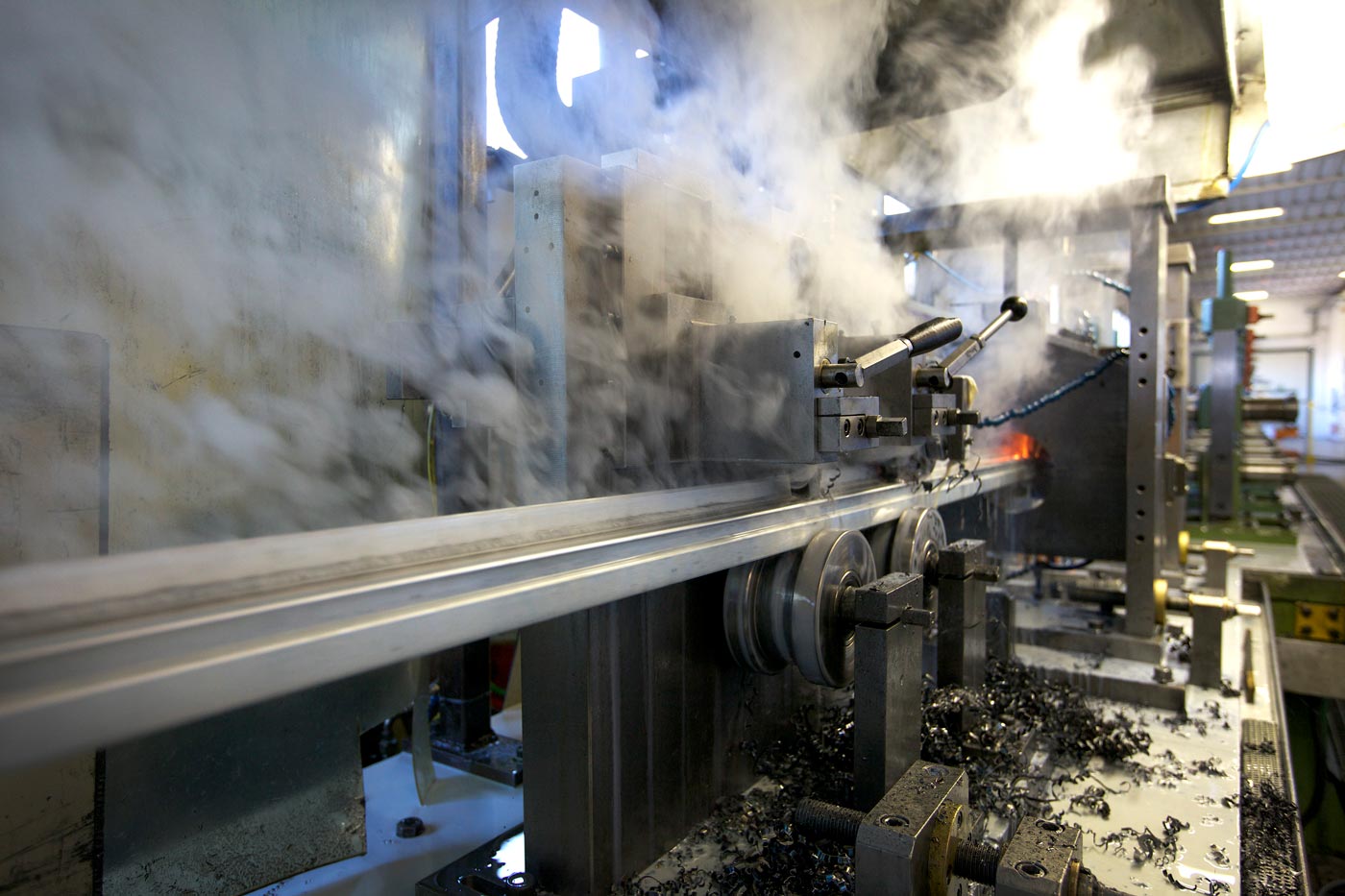
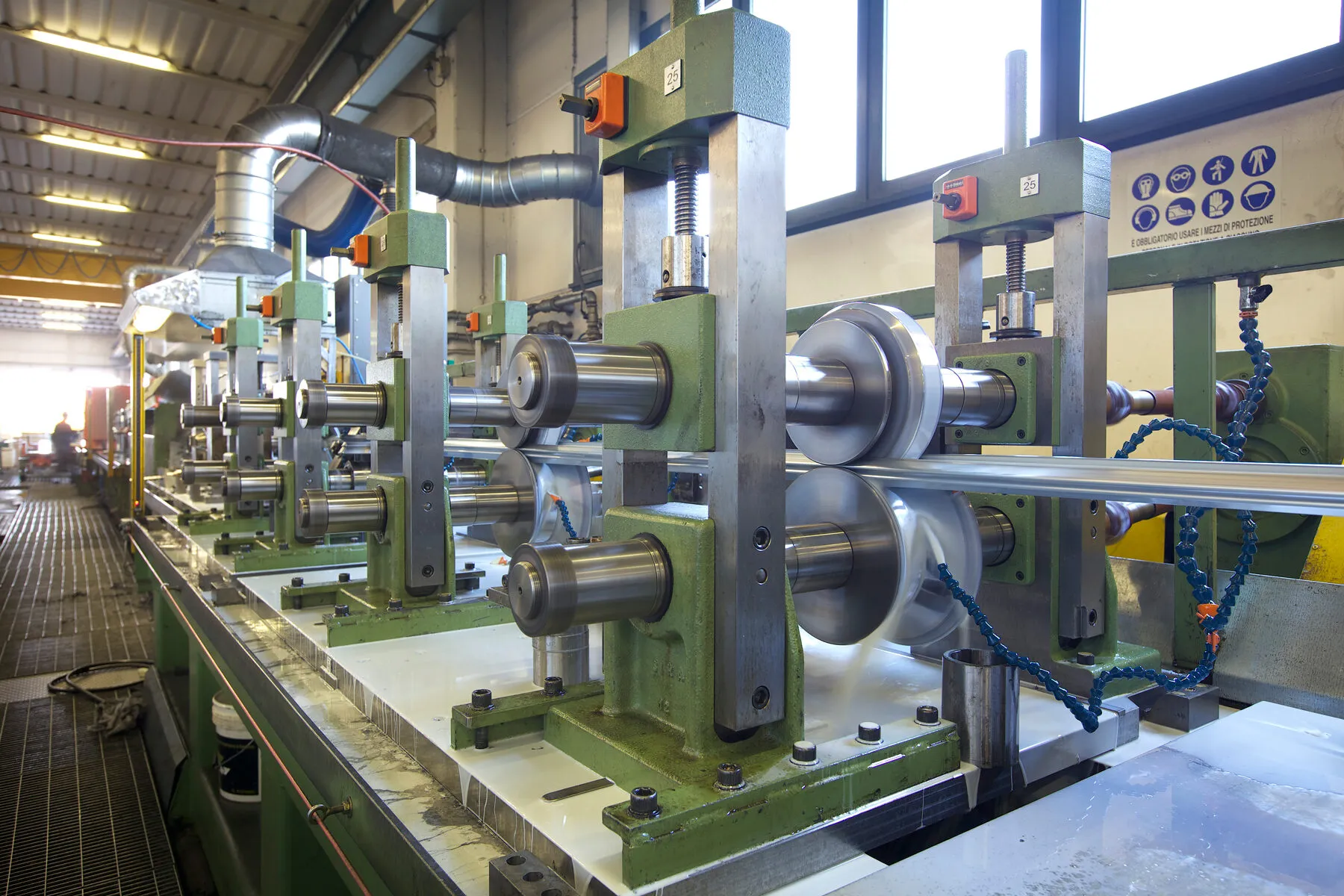
Cold roll forming line with in-line HF welding

When you design a metal profile, one of the first questions is: roll forming vs extrusion? The two processes are very different and lead to profiles that differ in shape, wall thickness, material and cost.

This guide explains how each process works, when one makes more sense than the other, and when an extruded profile can be converted into a roll formed one. If you are looking for the profiles themselves, see our custom aluminum profiles.

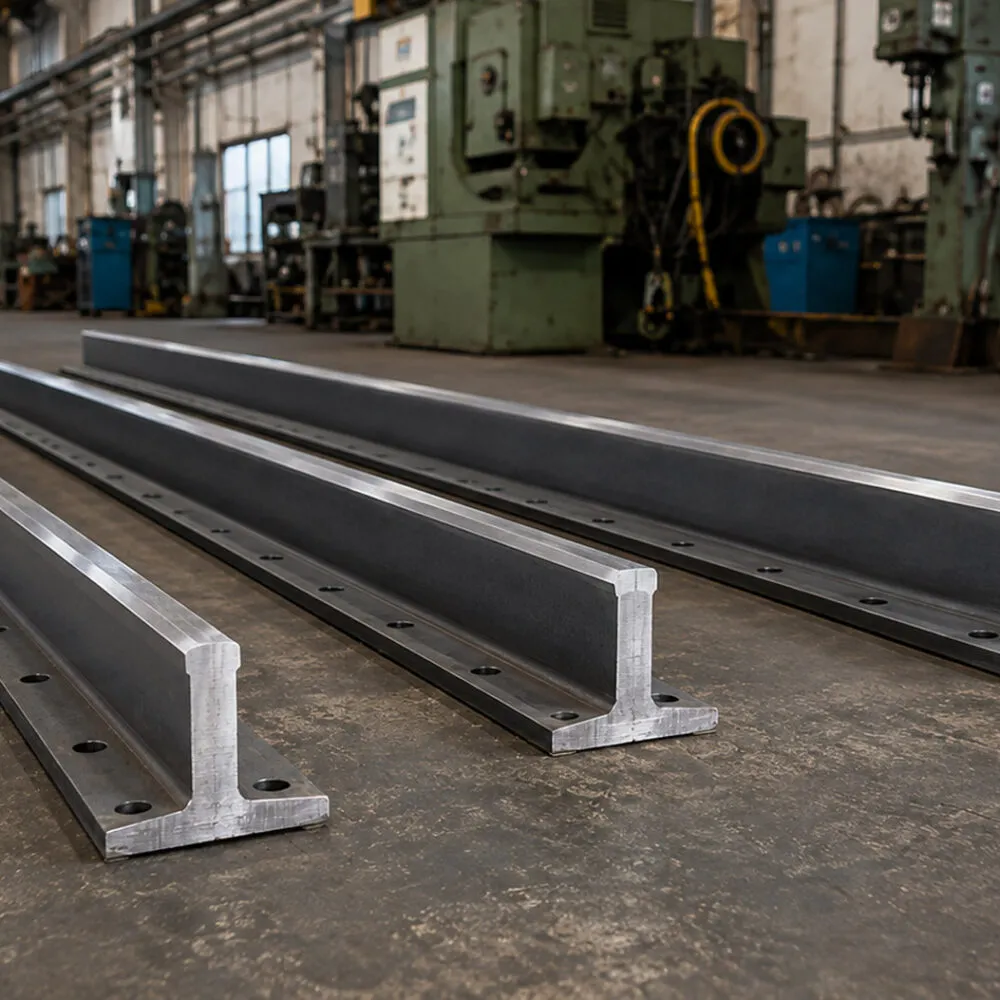
Cold roll forming rollers shaping a metal strip

How aluminum extrusion works

In extrusion, an aluminum billet is heated until it becomes plastic and is pushed by a press through a die. The metal comes out with the shape of the die in a single pass, then it is cooled, straightened and cut.

Its strength is design freedom: hollow multi-chamber profiles, different wall thicknesses in the same section, internal ribs and grooves. Its limit is the material: profile extrusion is almost always limited to aluminum and its alloys.

How roll forming works

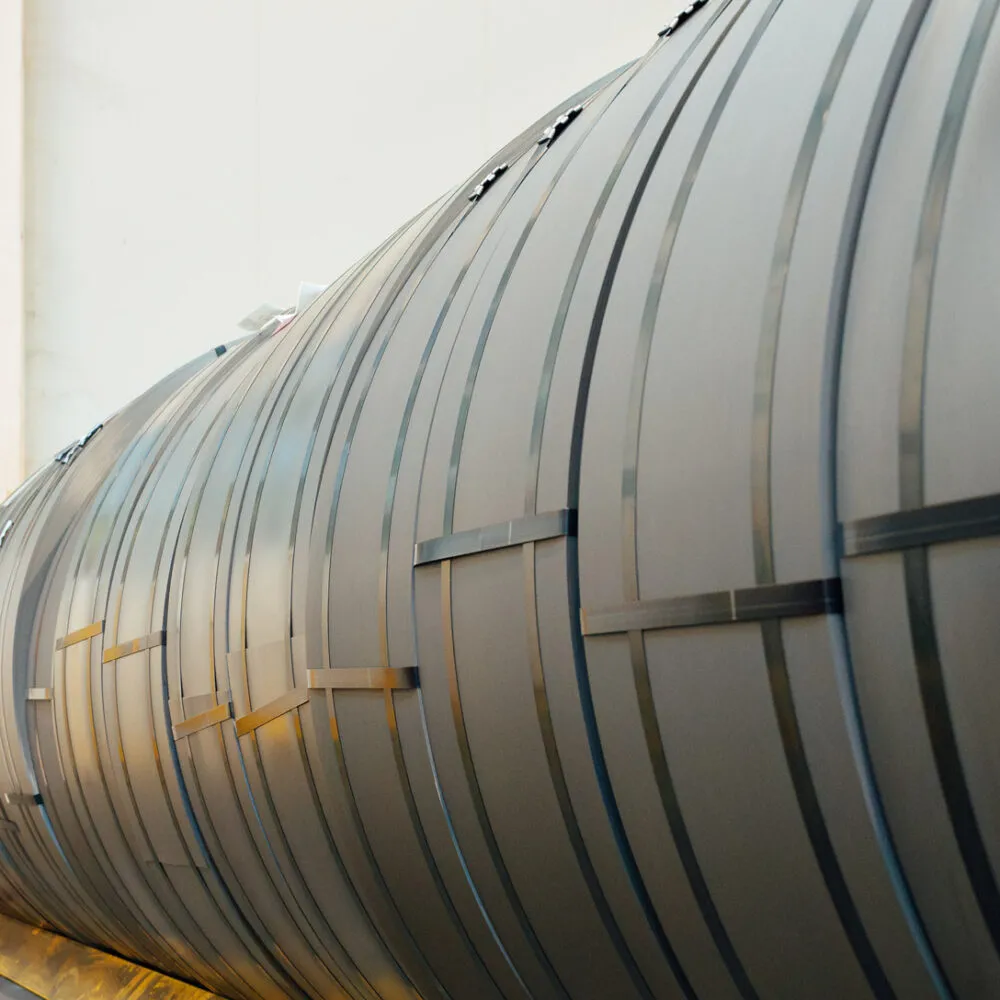
Roll forming starts from a metal strip on a coil. At room temperature, the strip runs through a series of roller stations that bend it a little at a time until it reaches the final section. The profile comes out continuously and is cut to length in line. You can find every step in what is cold roll forming.

The wall thickness is that of the strip, so it stays constant across the whole section. Sections are open, such as C, U, L, Z and omega shapes, or closed with HF welding. Punching, holes, slots and bending are added on the same line.

Roll forming vs extrusion compared

Aluminum extrusion Roll forming
Materials Almost only aluminum Galvanized steel, carbon steel, stainless steel, corten, aluminum, copper
Sections Solid, hollow, multi-chamber Open, or closed by welding
Wall thickness Can vary within the same section Constant, the thickness of the strip
Thin walls Limited by the process From 0.4 mm, lightweight profiles
Tooling Die Set of rollers
Secondary operations Usually done afterwards, separately Punching, cutting and welding in line
Best for Complex sections, small and medium batches Repeat runs with constant thickness

When extrusion is the better choice

Extrusion is the right choice when the profile has internal chambers, different wall thicknesses in the same section or shapes that cannot be made by bending a strip. It also suits small batches, because a die is usually cheaper tooling than a full set of rollers.

When roll forming is the better choice

Roll forming makes sense when the section can have a constant thickness and you need repeat runs. It allows thinner walls, so lighter profiles that use less material. It is the only way to make a profile in steel, stainless steel or corten, and it cuts secondary operations because holes and cuts are made in line.

  • Long, regular profiles for structures, racking and vehicles
  • Thin aluminum profiles for furniture and lighting
  • Steel or stainless steel profiles, which cannot be extruded
  • Punched and cut components ready for assembly
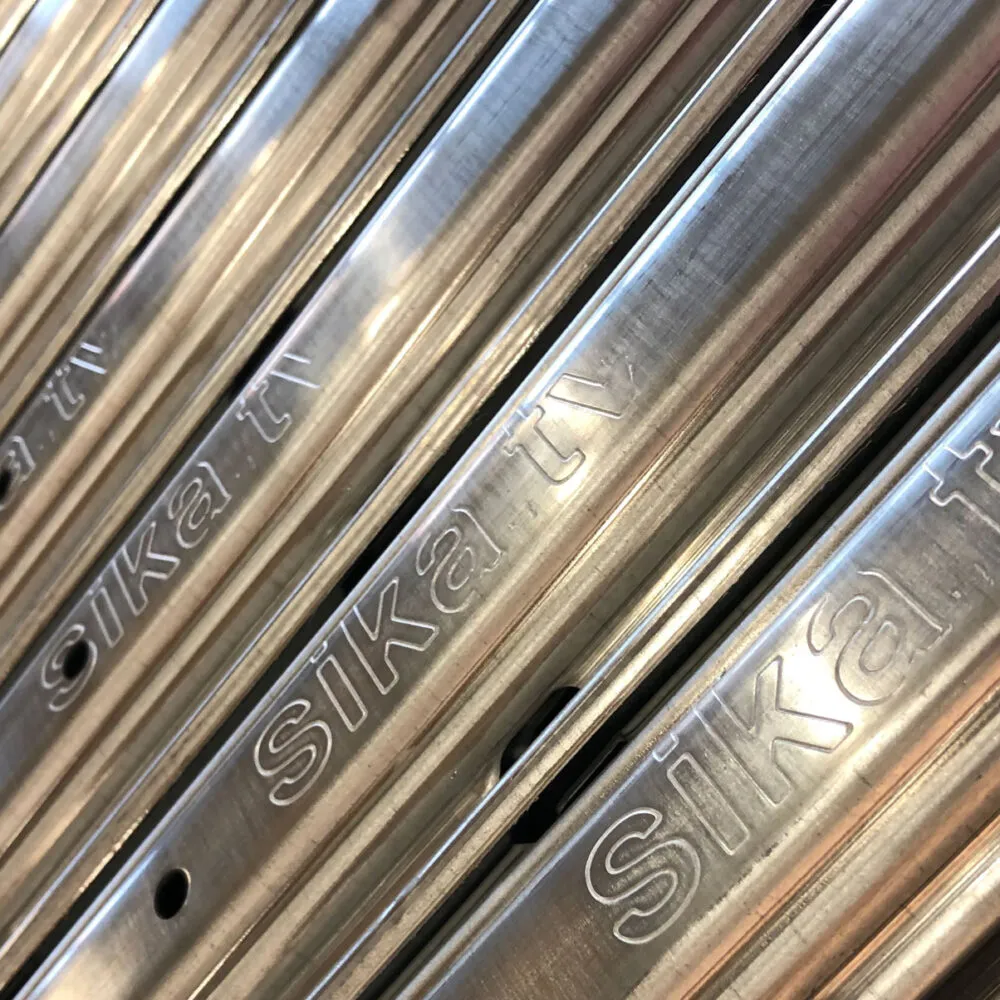
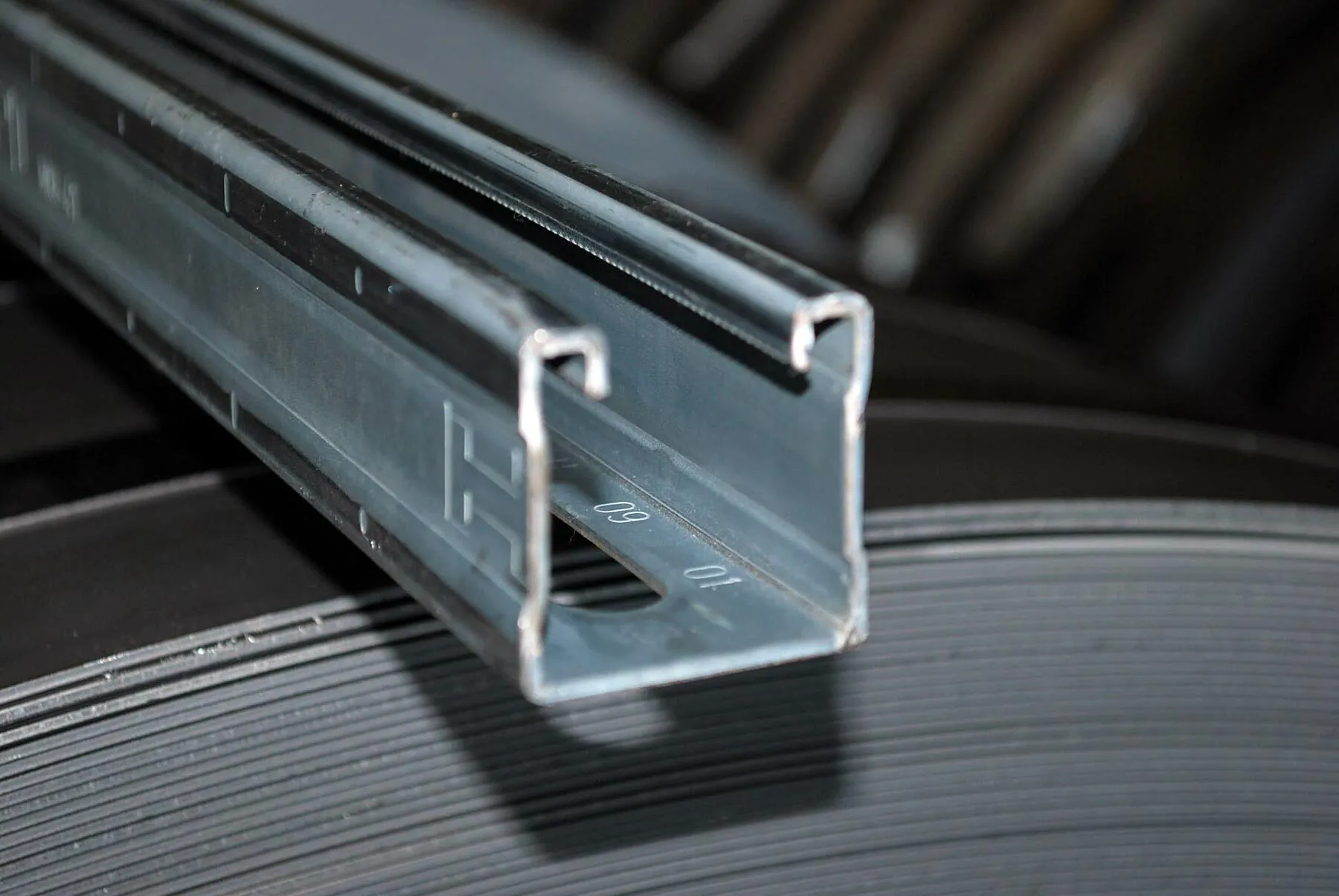
Slotted C profile roll formed from coil strip

From extruded to roll formed profile

Many profiles designed for extrusion can be redesigned for roll forming, saving weight and material. Three conditions apply: an open section or one that can be closed by welding, a constant thickness between 0.4 and 4 mm, and a strip width up to 550 mm. Our technical office starts from the drawing of the extruded profile and proposes an equivalent section. To choose the material, see our guide steel vs aluminum.

Sika: custom roll formed profiles

Sika does not extrude: we make aluminum and steel profiles by roll forming, stamping, punching, bending, roll bending and HF welding, always to the customer’s drawing.

Do you have an extruded profile and want to know if it can be roll formed? Send us the drawing and we will work out the solution together.

FAQ about roll forming vs extrusion

What is the difference between roll forming and aluminum extrusion?

Extrusion pushes a heated aluminum billet through a die and creates the section in a single pass. Roll forming bends a metal strip at room temperature through a series of roller stations until it reaches the final shape, with constant wall thickness.

Can an extruded profile be made by roll forming?

Often yes, if the section is open or can be closed by welding, has a constant thickness between 0.4 and 4 mm and a strip width up to 550 mm. Send us the drawing and we check feasibility.

Is extrusion or roll forming cheaper?

It depends on shape and quantity. For small batches and complex hollow sections, extrusion is often more cost-effective. For repeat runs of constant-thickness sections, roll forming saves weight, material and secondary operations.

Does Sika make extruded profiles?

No. Sika does not extrude: we make custom profiles by roll forming, stamping, punching, bending, roll bending and HF welding.

Can roll forming be used for steel and stainless steel?

Yes. Besides aluminum, we roll form galvanized, carbon and pickled steel, stainless steel, corten and copper. Profile extrusion, by contrast, is almost always limited to aluminum.

Contact us to find out how Sika can support your project with high-quality special profiles and custom solutions.
Open sidebar Open sidebar
Whatsapp Whatsapp