Technology

Steel vs aluminum: which metal is right for your profile?

Custom galvanized steel and aluminum profiles cold roll formed by Sika

Steel vs aluminum is the first material decision in almost every custom profile project, and the answer is never “one is better”. Aluminum weighs about one third of steel and does not rust. Steel is about three times stiffer, stronger for the same section and cheaper per part in high volumes.

This guide answers the questions engineers and buyers actually ask: which is stronger, how much lighter aluminum really is, how galvanized and stainless steel compare, and what each option costs. We roll form both metals every day at Sika, so the answers come from the cold roll forming line, not from a textbook.

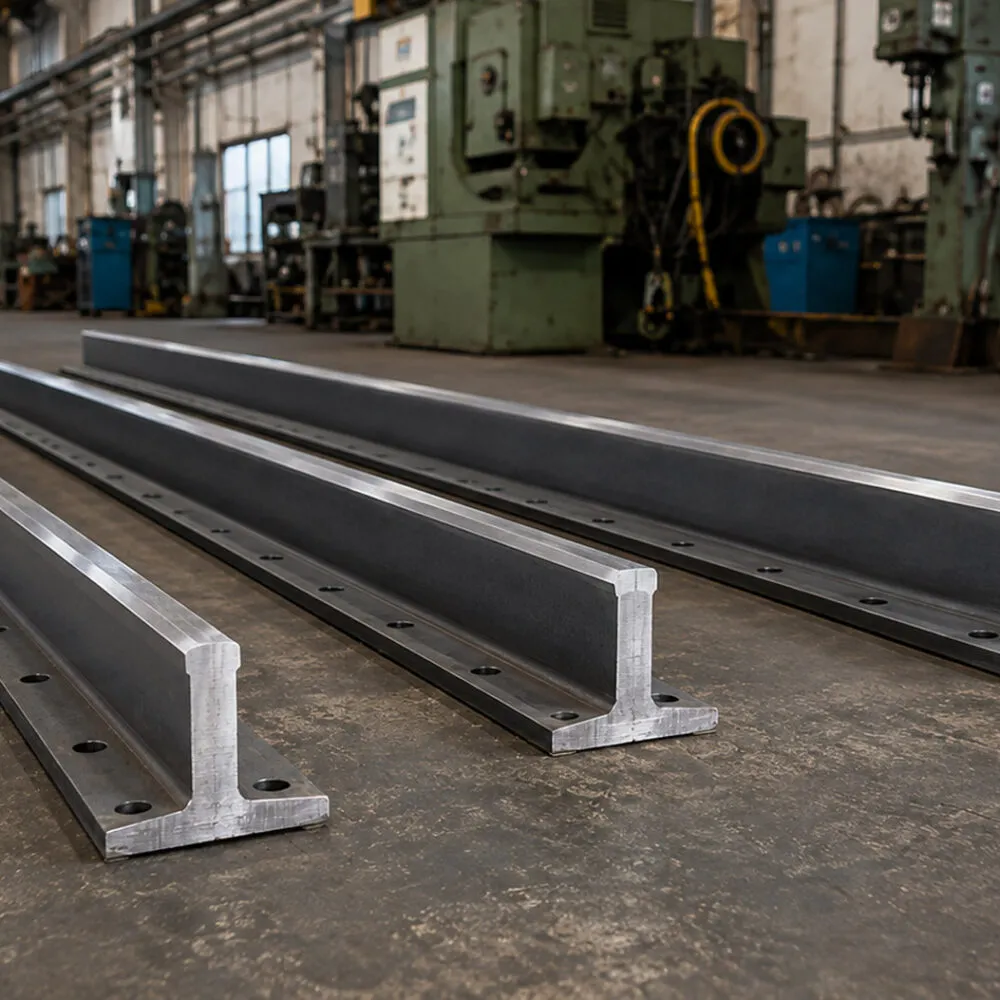
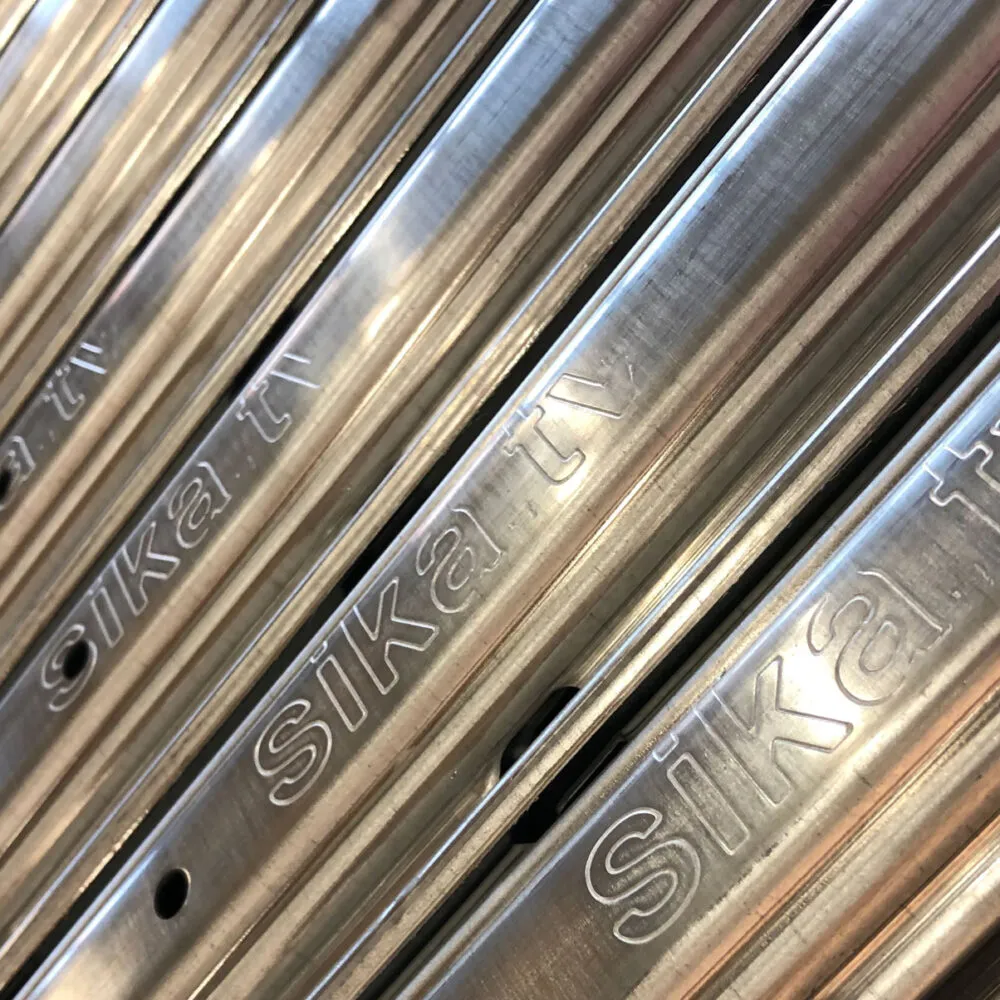
Custom metal profiles in galvanized steel and aluminum side by side

Steel vs aluminum at a glance

The table compares typical values for carbon steel and the aluminum alloys used in cold formed profiles.

Property Carbon steel Aluminum alloys What it means
Density 7.85 g/cm³ 2.70 g/cm³ Aluminum weighs about one third
Modulus of elasticity about 210 GPa about 70 GPa Steel is about 3 times stiffer
Typical yield strength 235–355 MPa (structural grades) 100–250+ MPa (by alloy and temper) Same section: steel carries more load
Thermal expansion about 12 µm/m·K about 23 µm/m·K Aluminum expands about twice as much
Thermal conductivity about 50 W/m·K about 120–235 W/m·K Aluminum moves heat far better
Melting point about 1,450–1,520 °C about 660 °C Steel handles high temperatures
Corrosion Needs zinc coating, stainless grade or paint Self-protecting oxide layer Aluminum does not rust

Is steel or aluminum stronger?

Steel is stronger. Common structural steels have a yield strength of 235 to 355 MPa, while the aluminum alloys used for roll forming range from about 100 to over 250 MPa. For the same cross-section, a steel profile carries more load before it bends permanently.

The bigger gap is stiffness. Steel’s modulus of elasticity is about three times higher, so under the same load an aluminum profile with the same section deflects about three times as much. This is why uprights, racking, beams and ground-mounted solar frames are almost always steel, usually galvanized steel profiles.

Aluminum wins on strength-to-weight ratio. For the same weight it can match steel, as long as the section is designed for it: deeper webs, ribs and folded edges. The shape of the profile often matters more than the metal.

Aluminum vs steel weight: how much lighter is aluminum?

For the same volume, aluminum is about 65% lighter than steel: 2.70 g/cm³ against 7.85 g/cm³. A 6 m steel profile weighing 30 kg would weigh about 10 kg in aluminum with the same section.

But profiles are designed for the same performance, not the same volume. To match the stiffness of a steel part, the aluminum section must grow. With an optimized geometry, the finished aluminum part typically weighs about half of the steel one.

That 50% saving is why aluminum dominates where weight drives the design: trailers and truck bodies, vehicle cabins, furniture and anything installed by hand. Our custom aluminum profiles are designed exactly to recover the stiffness the material lacks.

Custom aluminum profiles on a workbench in a roll forming plant

Galvanized steel vs aluminum

This is the most common choice for outdoor structures. Both resist the weather, but in different ways.

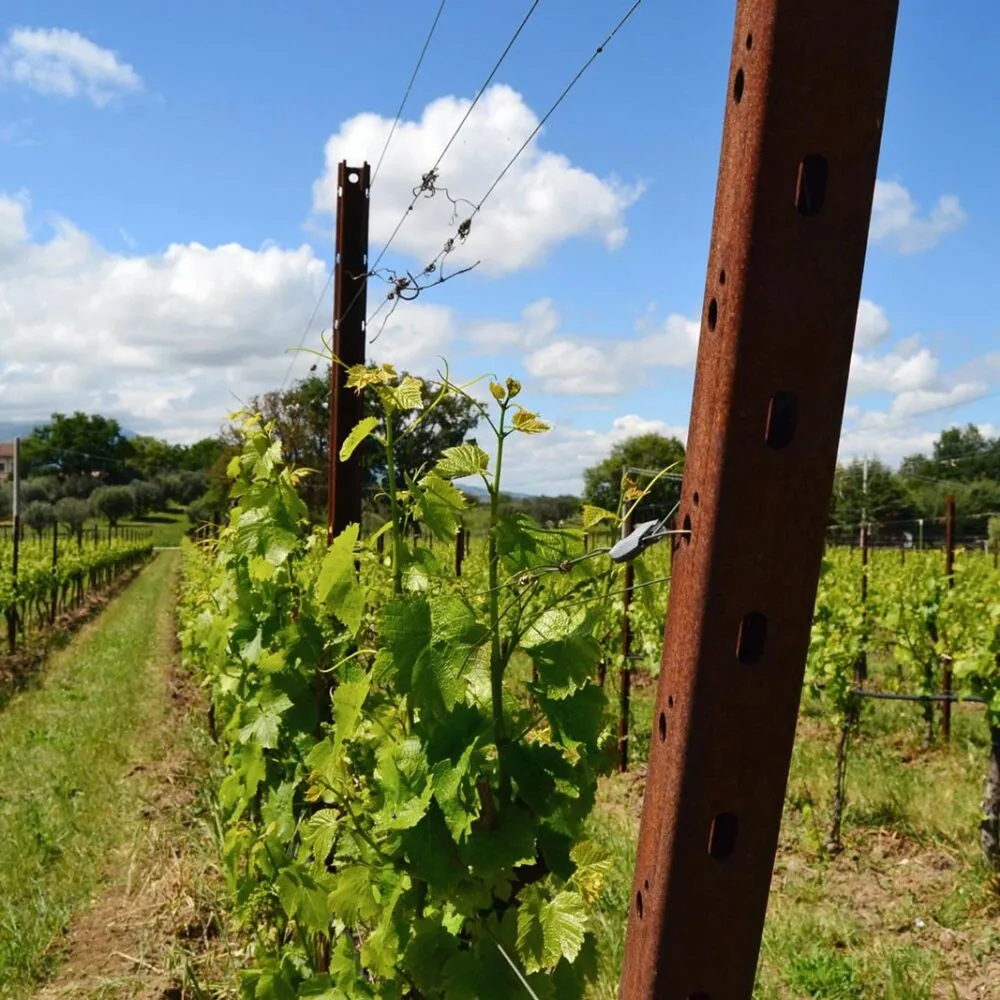
Galvanized steel is carbon steel coated with zinc. The zinc protects the steel even where the surface is scratched or cut. It is stronger, stiffer and cheaper than aluminum, which makes it the standard for load-bearing outdoor frames: greenhouses, solar mounting, fencing, posts and racking.

Aluminum protects itself with a natural oxide layer and needs no coating at all. It is lighter and keeps a clean look over time, which suits visible parts, facades and lightweight frames.

In short: choose galvanized steel when the profile carries load and cost matters; choose aluminum when weight and appearance matter more than stiffness.

Stainless steel vs aluminum

Stainless steel combines the corrosion resistance of aluminum with the strength and stiffness of steel. The trade-off is weight and price: it is about three times heavier than aluminum and costs more per kilogram than both carbon steel and aluminum.

Choose stainless steel profiles for food processing, washdown areas, bathrooms and high temperatures, since aluminum melts at about 660 °C. Choose aluminum when weight or heat dissipation matters more, as in lighting profiles, heat sinks and lightweight frames.

Does steel or aluminum rust?

Only steel rusts. Rust is iron oxide, and aluminum contains no iron. Aluminum does oxidize, but its oxide layer is thin, hard and protective, so it stops further corrosion instead of spreading it.

Aluminum is not immune in every environment: salt spray and some industrial atmospheres can pit it, so anodizing or powder coating is advisable there.

One mistake to avoid is direct contact between steel and aluminum in wet conditions. The two metals form a galvanic couple and the aluminum corrodes faster. Insulating gaskets, washers or a coating at the joint solve the problem.

Aluminum vs steel cost

Per kilogram, aluminum usually costs more than carbon steel, often more than twice as much. But nobody buys profiles by the kilogram alone.

An aluminum profile weighs less, so the same length needs fewer kilograms. Then there are the costs a price list does not show: galvanizing or painting the steel, freight weight, installation time and maintenance over the life of the product.

Compare the cost of the finished, installed part. In high volumes for load-bearing structures, steel almost always wins. For light, visible or hand-installed parts, aluminum can be cheaper overall.

How they behave in cold roll forming

Both metals are roll formed from coil, but they need different tooling.

Steel is predictable: it springs back little after bending, accepts tight radii and welds easily, including inline high-frequency welding for tubes.

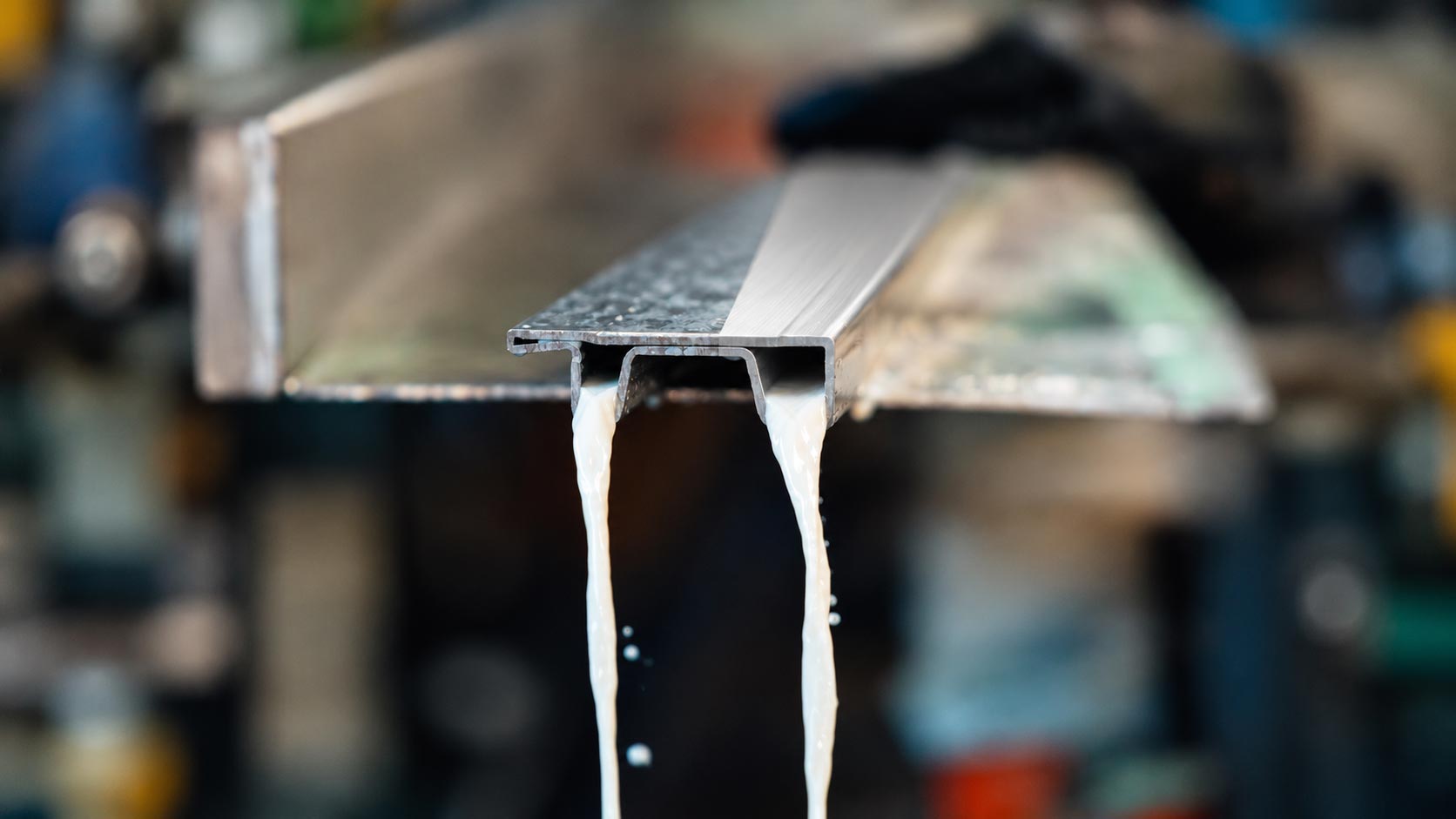
Aluminum springs back more, so the rolls need more overbending. Its surface scratches easily, so visible profiles need polished rolls and often a protective film. Minimum bend radii depend on alloy and temper. See our guide to cold formed profile materials for the full list.

Which to choose: steel or aluminum by application

The table shows the material we recommend most often for the sectors we work in.

Application Recommended material Why
Racking and uprights Galvanized steel High loads, stiffness, low cost in volume
Solar mounting structures Galvanized steel, aluminum for light rails Wind and snow loads, outdoor life
Greenhouses Galvanized steel Outdoor load-bearing frames at low cost
Trailers and truck bodies Aluminum Lower weight, higher payload
Ventilated facades Aluminum or galvanized steel Aluminum for lightness, steel for loaded subframes
Windows and doors Aluminum, steel for reinforcements Appearance, steel where slim stiff sections are needed
Furniture Aluminum Lightness, visible finish, anodizing
Shower enclosures Aluminum or stainless steel Wet environment, clean look
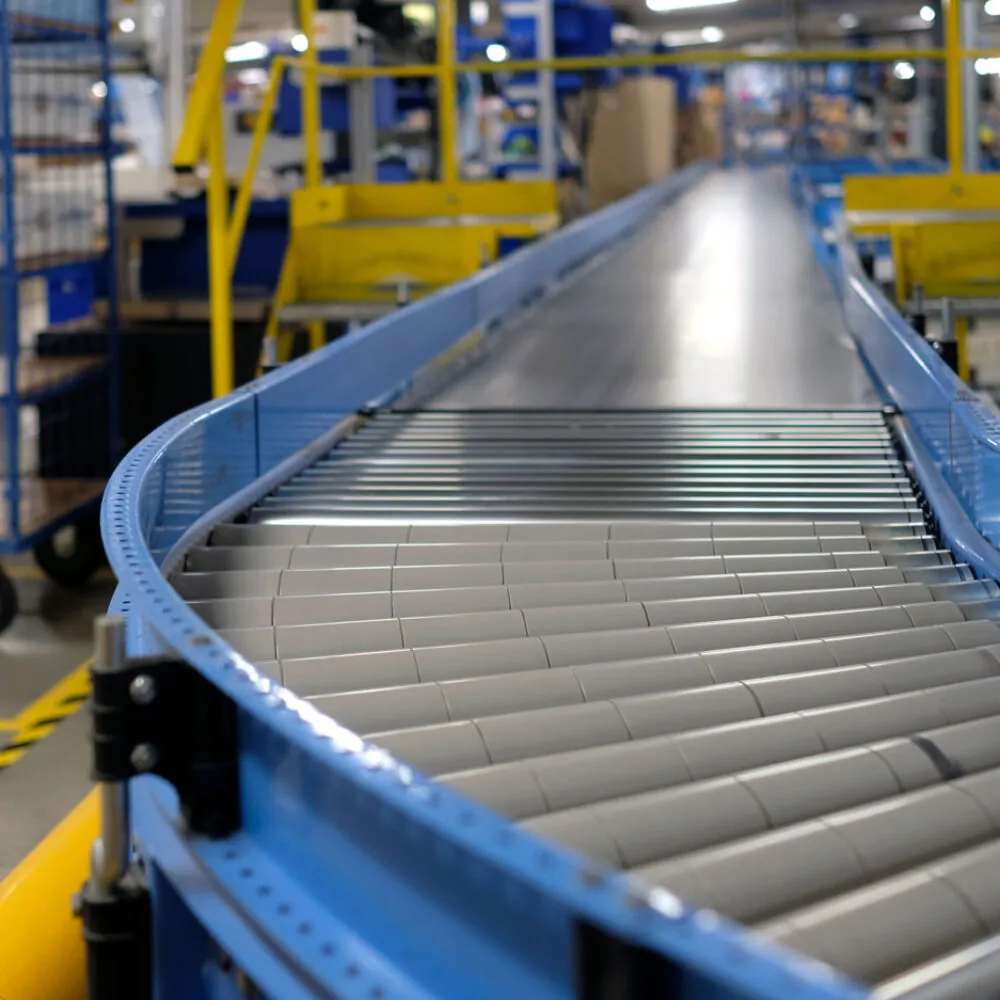
Conveyors Stainless or galvanized steel Wear, washdown, corrosion
Lighting and heat sinks Aluminum High thermal conductivity

For facades specifically, our article on the steel facade system covers the trade-offs in detail.

Getting the right material for your project

Four inputs are enough to choose: load and free span, operating environment, whether the profile is visible, and annual volume. With these, section, weight and cost of both metals can be compared on the same drawing.

Sika roll forms strip from 0.4 to 4 mm thick and up to 550 mm wide, in carbon, galvanized, stainless and weathering steel and in aluminum. Send us your drawing or a sketch: we will recommend the material and produce custom steel profiles to your design or in aluminum.

Frequently asked questions

What is better, aluminium or steel?

Neither is better in every case. Steel is better for heavy loads, stiffness and low cost in high volumes. Aluminium is better when weight, a visible finish and corrosion resistance without coating matter most.

How much lighter is aluminum than steel?

For the same volume, aluminum weighs about one third of steel: 2.70 g/cm³ versus 7.85 g/cm³. For the same stiffness, with an optimized section, an aluminum profile typically weighs about half as much as a steel one.

Can aluminum be stronger than steel?

Not for the same cross-section: steel is stronger and about three times stiffer. Aluminum has a better strength-to-weight ratio, so for the same weight a well-designed aluminum profile can perform as well as steel.

Does aluminum last longer than steel?

Outdoors, uncoated aluminum usually lasts longer than uncoated steel because it does not rust. Galvanized or stainless steel closes the gap and offers higher strength, so service life depends on the coating and the environment.

Can aluminum and steel be used together?

Yes, but in wet conditions they must be insulated from each other with gaskets, insulating washers or a coating. Direct contact causes galvanic corrosion, which attacks the aluminum.

Does Sika make both steel and aluminum profiles?

Yes. We cold roll form strip from 0.4 to 4 mm in carbon, galvanized, stainless and weathering steel and in aluminum, to customer drawings, with inline punching, bending and calendering.

Contact us to find out how Sika can support your project with high-quality special profiles and custom solutions.
Open sidebar Open sidebar
Whatsapp Whatsapp