You might be interested in
Application
Custom steel door frames: engineered solutions for security and fire protection
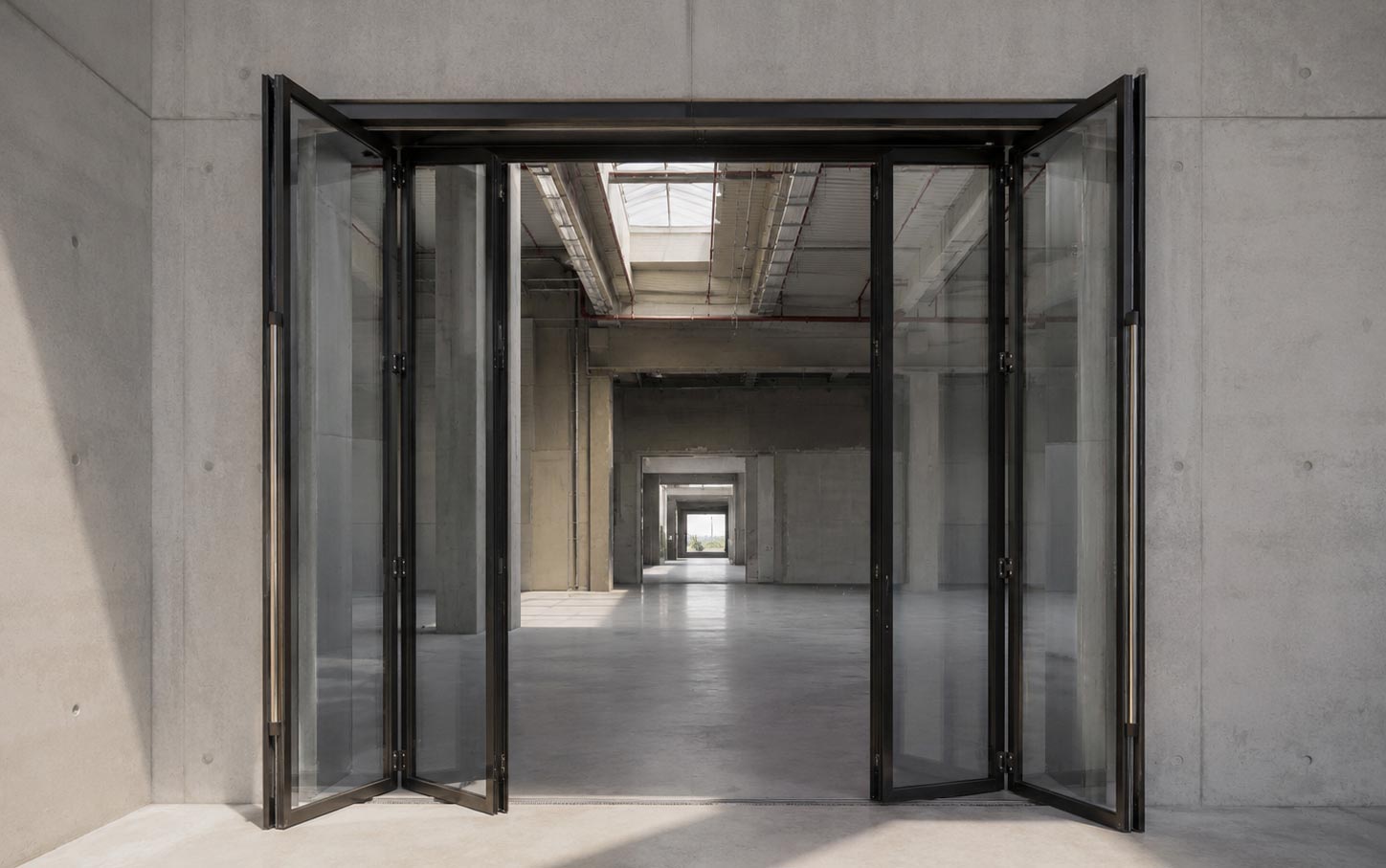
Custom steel door frames represent critical architectural components in modern construction. They combine structural integrity, security performance, and fire safety compliance in commercial, institutional, and industrial buildings. Unlike standard off-the-shelf solutions, custom steel door frames are precision-engineered to meet specific project requirements. These include non-standard openings, unique wall conditions, specialized security features, and stringent fire rating certifications.
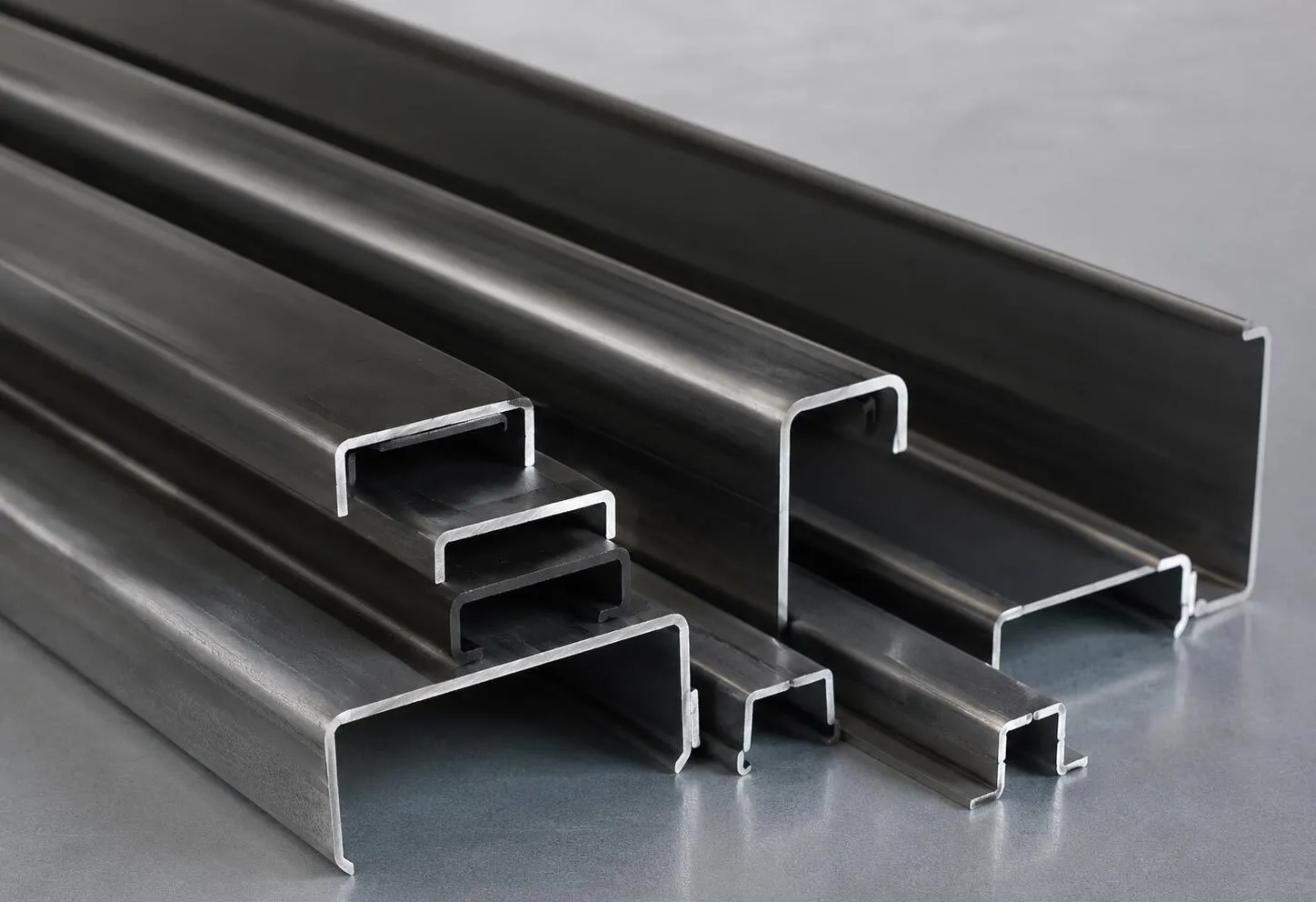
These cold-formed metal profiles provide the structural backbone for door assemblies. They anchor doors to walls while supporting hardware and maintaining dimensional stability. They also serve as integral components of fire-rated barrier systems. Industries spanning construction, healthcare, education, hospitality, industrial facilities, and high-security applications rely on custom steel door frames. They deliver tailored solutions that address complex architectural challenges while meeting building codes, safety regulations, and operational demands.
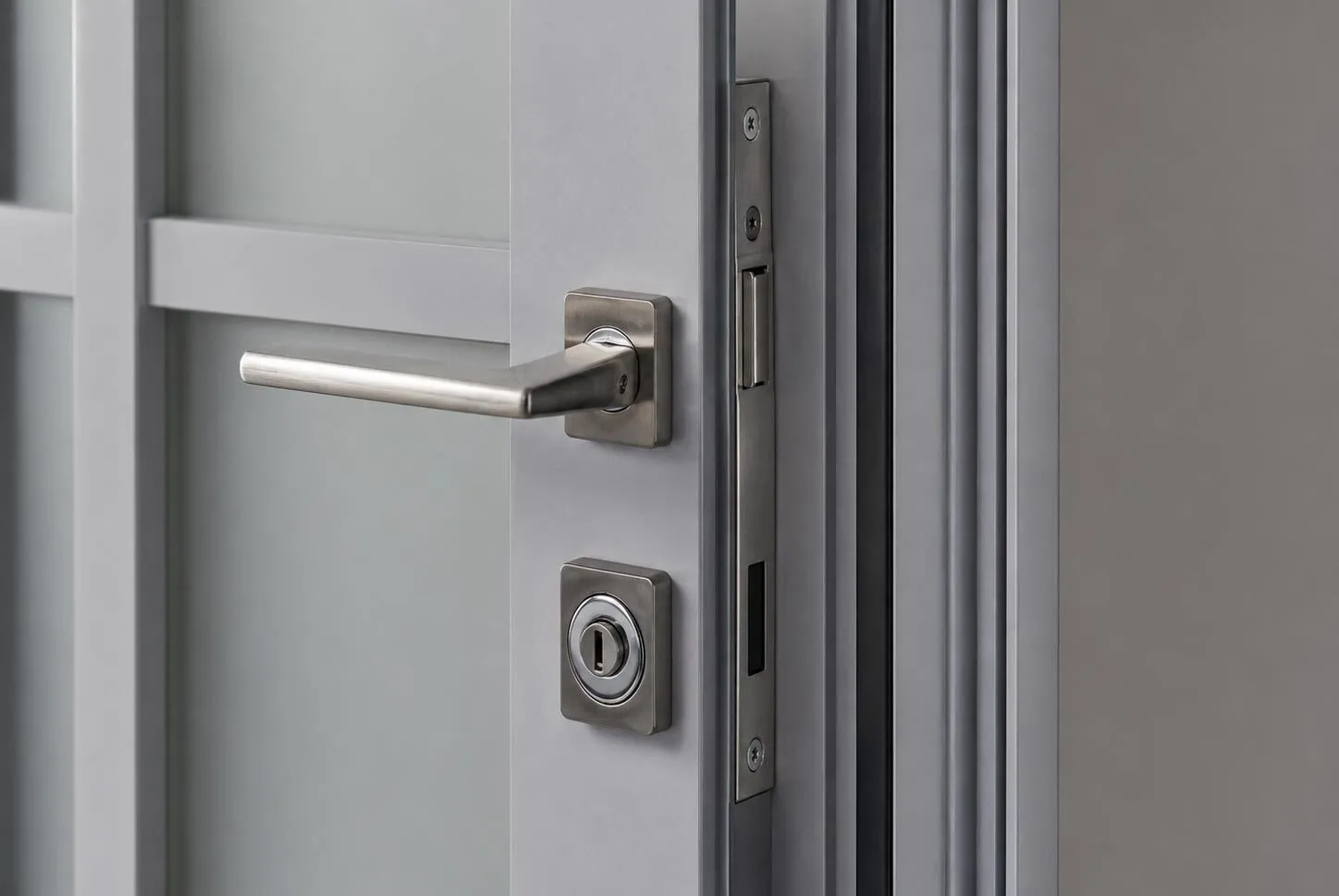
Custom steel door frames with enhanced security features
Security-focused custom steel door frames incorporate specialized design elements and reinforcement techniques. These significantly enhance resistance to forced entry, unauthorized access, and physical attacks. The foundation of security performance begins with material specification. Heavy-gauge steel construction using 14-gauge (0.0747″) or 12-gauge (0.1046″) steel provides substantially greater strength than standard 16- or 18-gauge frames. This creates robust barriers capable of withstanding significant impact forces and manipulation attempts.
In the European market, security-rated door frames must comply with EN 1627 standards for burglar resistance. This classification system ranges from RC1 (Resistance Class 1) for basic protection to RC6 for maximum security against experienced burglars using powerful tools. Custom steel door frames designed for high-security applications typically achieve RC3 or RC4 ratings. These provide substantial protection against forced entry attempts using mechanical tools.
Reinforced strike plates and lock areas
Reinforced strike areas represent critical security enhancements. Additional steel plates are welded or fastened around lock and deadbolt locations. This prevents frame splitting, prying, and drilling attacks that target vulnerable locking mechanisms. Custom frames accommodate high-security hardware including multi-point locking systems, anti-jimmy bolt protection, and hardened steel strike plates. These distribute force across larger areas rather than concentrating stress at single points.
Heavy-duty hinge reinforcement systems
Hinge reinforcement constitutes another essential security feature. Heavy-duty continuous hinges or multiple standard hinges are backed by additional steel reinforcement. This prevents door removal through hinge manipulation or cutting. Tamper-resistant hinge designs incorporate concealed fasteners, nested configurations, or welded construction. These eliminate external access to hinge pins.
Armored plates and anti-pry protection
Custom steel door frames for maximum security applications integrate armored plates surrounding critical hardware locations. They feature anti-pry lips that prevent crowbar insertion between door and frame. Their structural profiles are designed to interlock with door edges, creating multiple engagement points that resist forced separation. Advanced security frames also accommodate access control integration points. These include electronic locking systems, card readers, biometric devices, and remote monitoring equipment.
Precision manufacturing for security performance
The manufacturing process for security-enhanced custom frames employs precision cold roll forming or welding techniques. These ensure consistent material properties, eliminate weak points, and maintain dimensional accuracy. This accuracy is critical for proper hardware alignment and optimal security performance.
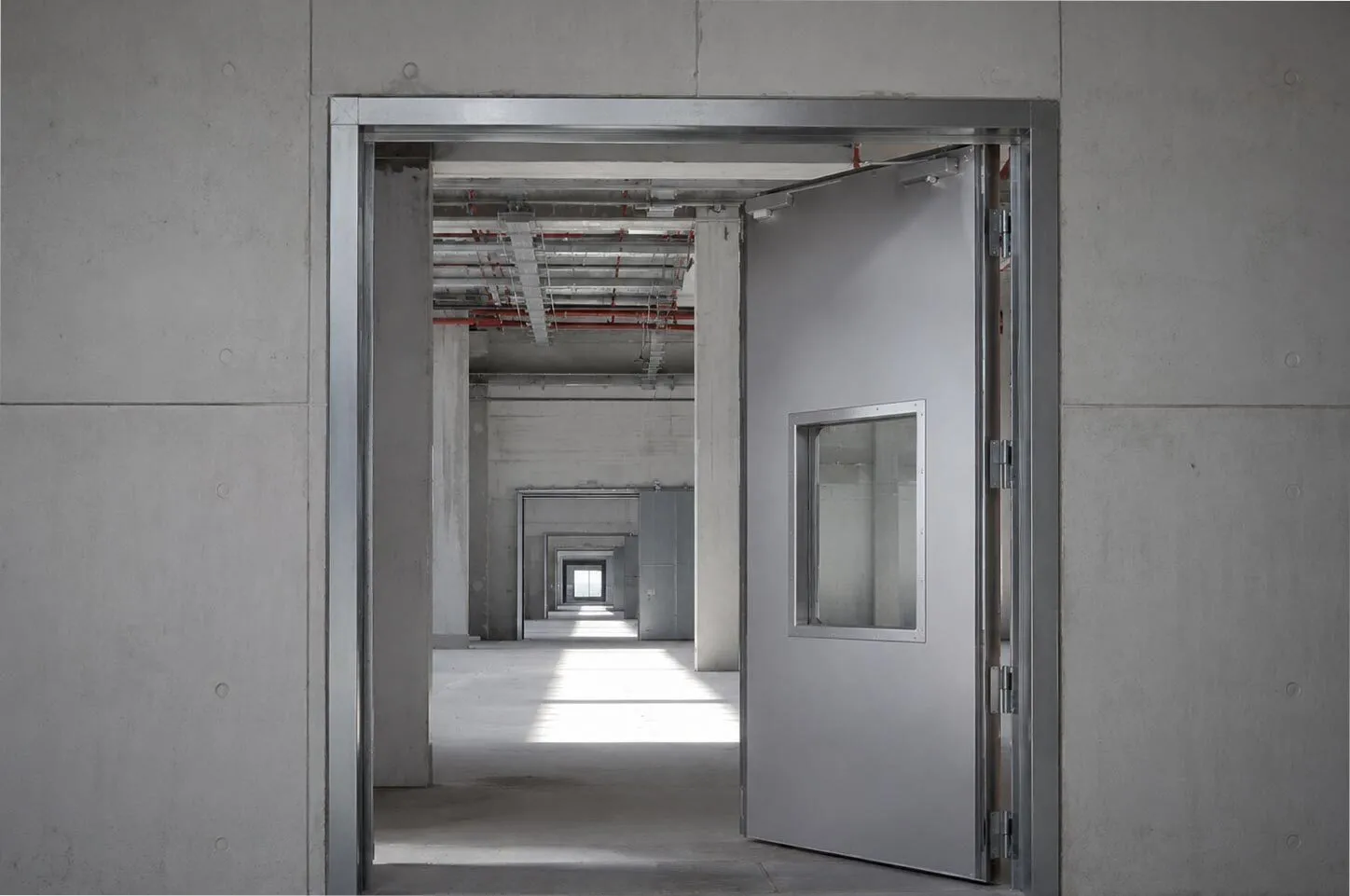
Custom steel door frames with fire rating certifications
Fire-rated custom steel door frames serve as essential life-safety components. They compartmentalize fires, prevent smoke spread, and protect evacuation routes. In Europe, these frames must comply with EN 13501-2 classification for fire resistance of construction products and building elements. They also follow EN 1634-1 standards for fire resistance and smoke control tests.
Fire resistance certifications for steel door frames in Europe
In the European Union, fire-rated door assemblies are classified using the EI system. “E” represents integrity (preventing flame passage), while “I” indicates insulation (limiting temperature rise on the unexposed side). Fire ratings are expressed in time durations: EI30, EI60, EI90, EI120, or EI180. These correspond to 30, 60, 90, 120, or 180 minutes of fire resistance. Steel door frames can achieve all these ratings, with 180-minute (3-hour) classifications representing the highest level of fire protection available.
Fire resistance certifications for steel door frames in USA
For North American markets, frames must comply with International Building Code, International Fire Code, and NFPA 80 standards. Unlike non-rated frames, fire-rated assemblies must undergo rigorous testing by accredited laboratories. In Europe, these include authorized notified bodies designated under the Construction Products Regulation (CPR). For US markets, testing is performed by Underwriters Laboratories (UL) or Warnock Hersey/Intertek (WHI). Testing verifies their ability to withstand fire exposure and hose stream tests for specified durations.
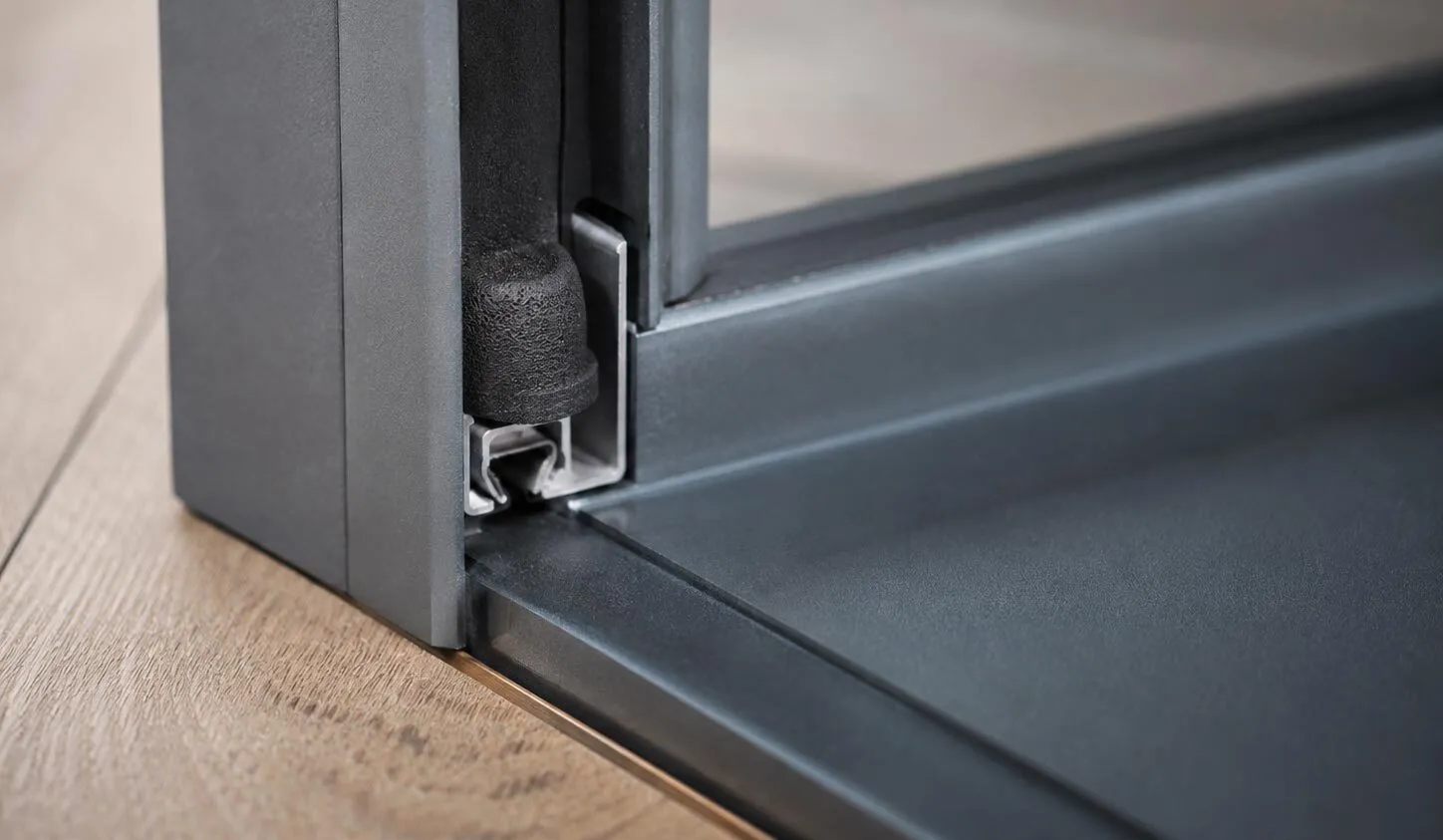
Certification, compliance and design requirements for custom fire-rated frames
Custom fire-rated frames must carry permanent certification labels and CE marking for European markets. The CE mark demonstrates conformity with EU harmonized standards and the Construction Products Regulation. Labels identify the manufacturer, fire rating classification, testing body, and assembly listing number. This label constitutes legal proof of compliance. It must remain intact and legible throughout the frame’s service life. The fire rating of door frames must match or exceed the rating of the wall assembly they serve. Specific requirements are determined by wall fire-resistance ratings and occupancy separations.
Critical design considerations for fire-rated custom steel door frames include several factors. Jamb depth specifications must accommodate wall thickness while maintaining proper fire seal contact. Knockout locations for hardware must preserve fire rating integrity without compromising barrier performance. Glazing opening sizes are limited by manufacturer listings and fire-tested configurations. All modifications must comply with EN 1634-1 testing protocols for European installations.
Temperature rise doors, intumescent seals and advanced fire protection features
Temperature rise doors represent specialized fire-rated assemblies. They limit heat transfer through the door and frame system. In European classification, these are designated with the additional “I” rating (insulation). Common classifications include EI₁30 or EI₂30, where the subscript indicates maximum temperature rise on the unexposed surface. These assemblies are critical in high-rise stairwells where occupants must safely pass floors experiencing active fires.
Custom fire-rated frames accommodate intumescent seals that expand when exposed to heat. These close gaps between door and frame to prevent smoke passage and flame penetration. For smoke control applications, frames must meet EN 1634-3 standards and carry an “S” designation (Sa for ambient temperature leakage, Sm for medium temperature). Manufacturing custom fire-rated frames requires strict adherence to tested and listed configurations. Any modifications or custom features require verification. This ensures alterations do not compromise fire performance or invalidate certifications under both European and international standards.
Technical specifications and manufacturing capabilities for custom steel door frames
Professional manufacturing of custom steel door frames demands advanced metalworking capabilities. It requires precision control systems and comprehensive understanding of structural requirements, building codes, and application-specific performance criteria:
- Material selection and gauge options: Custom frames utilize various steel grades. These include galvanized steel for corrosion resistance (EN 10346 standards), galvanneal steel for superior paint adhesion, stainless steel for corrosive environments (EN 10088 grades), and pickled steel for specific finishing requirements. Gauge selections range from 18-gauge (0.0478″) economy grade through 12-gauge (0.1046″) heavy-duty construction.
- Frame configuration types: Welded frames (one-piece masonry/block-in) are used for new construction, providing maximum strength. Knocked-down frames (three-piece assemblies) suit retrofit applications, allowing on-site assembly. Adjustable frames accommodate wall thickness variations from 100mm to 300mm or greater. Wrap-around frames work for drywall or wood stud installations.
- Profile geometry customization: Custom cross-sectional designs are optimized for specific wall conditions, hardware requirements, and aesthetic preferences. These include face dimensions, backbend configurations, stop depths, rabbet dimensions, and throat openings. All are tailored to project specifications rather than limited to standard catalog profiles.
- Integrated secondary operations: Precision punching creates hardware reinforcement locations, hinge preparation, strike cutouts, and closer armboards. Welded reinforcements strengthen critical stress points. Factory-applied anchors suit masonry, concrete, or steel stud attachment. Pre-installed silencers, weatherstripping, or fire seals are available.
- Dimensional capabilities: Frame heights accommodate standard European door sizes (2000mm, 2100mm, 2400mm) and custom heights for specialized applications. Widths support single, double, and oversized openings (from 800mm to 3000mm or greater). Jamb depths match exact wall thicknesses, eliminating field modifications. Profile lengths range from 200mm to multiple meters depending on manufacturing equipment.
- Surface preparation and finishing: Factory-applied rust-inhibiting primers provide corrosion protection and superior topcoat adhesion (EN 12206-1 standards). Powder coating is available in custom RAL colors matching architectural specifications (EN 13438). Galvanized or galvanneal coatings offer enhanced corrosion resistance according to EN 10346. Mill finish suits field painting and specialized coating systems.
- Quality certifications and standards: ISO 9001 quality management ensures consistent manufacturing processes. ISO 14001 environmental management demonstrates commitment to sustainable production. ISO 45001 occupational health and safety certification protects workers. CE marking compliance under Construction Products Regulation (EU) 305/2011. Fire rating certifications from European notified bodies, UL, WHI, or equivalent testing agencies. Third-party verification of security ratings (EN 1627) where applicable.
Selecting the right custom steel door frame partner: why choose Sika
Successful implementation of custom steel door frames requires partnering with experienced metal profile manufacturers. They must combine technical expertise, advanced production capabilities, and commitment to quality standards.
Evaluation criteria should encompass design engineering support to optimize frame geometry for specific applications. Production capacity must meet project schedules and volume requirements. Material knowledge ensures appropriate steel grade and gauge selection for both European and international markets. Secondary processing capabilities reduce supply chain complexity.
Quality certifications are essential. ISO 9001, ISO 14001, and ISO 45001 provide assurance of consistent manufacturing standards. They guarantee environmental responsibility and workplace safety. CE marking compliance demonstrates conformity with EU Construction Products Regulation. Fire and security certifications from European notified bodies and international testing agencies ensure regulatory compliance. Flexibility in accommodating custom specifications, non-standard dimensions, and unique project requirements distinguishes capable manufacturers from suppliers limited to catalog products.
Sika: advanced manufacturing capabilities for custom steel door frames
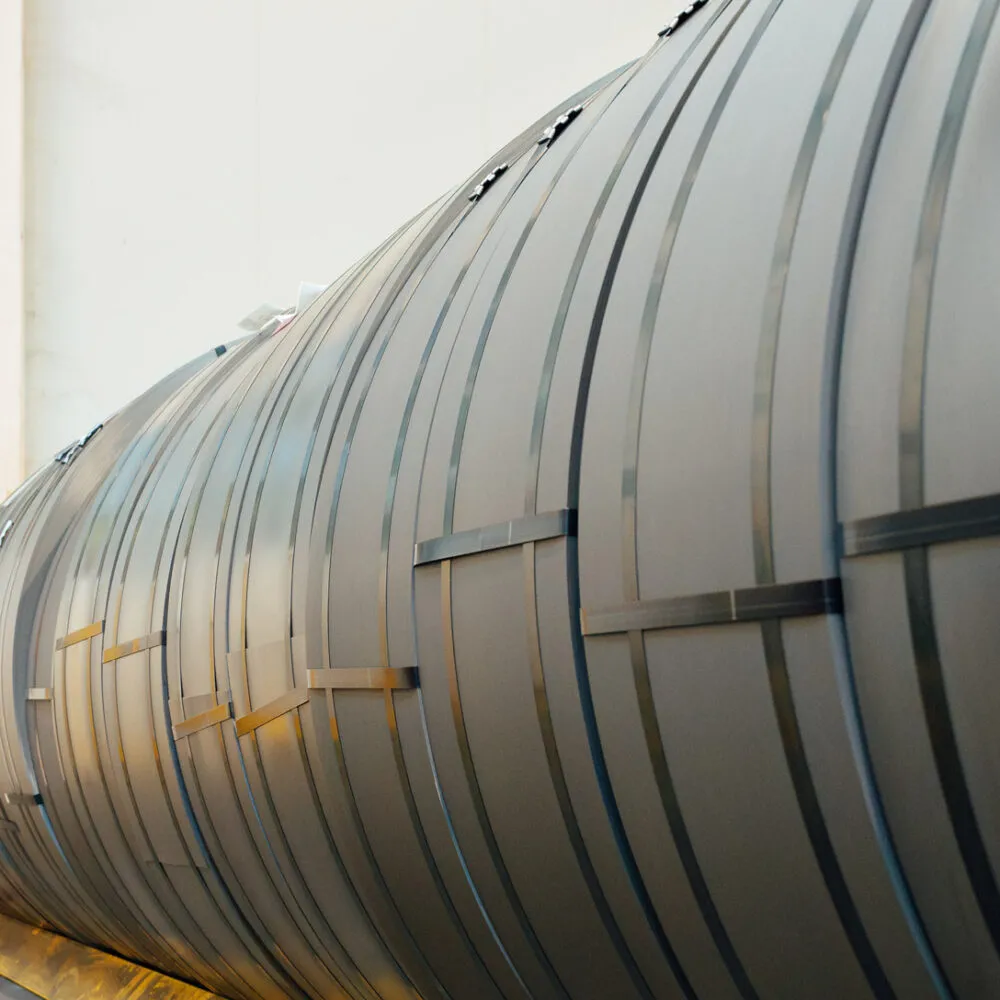
Sika brings decades of specialized experience in cold roll forming custom metal profiles for demanding architectural and industrial applications. Our advanced production facilities in Italy serve both European and international markets. We process steel coils with thicknesses from 0.4mm to 4mm and widths up to 550mm. We create custom door frame profiles with precise cross-sections, consistent dimensions, and superior surface quality.
We work with diverse materials including galvanized steel (EN 10346), stainless steel (EN 10088), pickled steel, and specialty alloys. We select optimal specifications based on environmental conditions, security requirements, and finishing preferences. Our integrated manufacturing approach combines cold roll forming with punching, welding, and assembly operations. We deliver complete frame systems ready for installation.
Certified quality, engineering support and compliance excellence
With ISO 9001, ISO 14001, and ISO 45001 certifications, Sika guarantees excellence in quality management, environmental stewardship, and operational safety throughout production. We ensure compliance with European Construction Products Regulation and CE marking requirements. Our engineering team collaborates with architects, contractors, and facility managers from initial design consultation through final delivery. We optimize custom steel door frames to meet structural requirements, fire resistance classifications (EN 13501-2), security standards (EN 1627), and project budgets.
Whether your application demands fire-rated frames with EI ratings for life-safety compliance, security-enhanced profiles meeting EN 1627 burglar resistance classes, or specialized configurations for unique architectural conditions, Sika transforms engineering specifications into precision-manufactured custom steel door frames. We deliver reliable, long-term performance for projects across Europe and globally.
Contact us to discuss your custom frame requirements and discover how our cold roll forming expertise can provide tailored solutions for your most challenging door opening applications.