You might be interested in
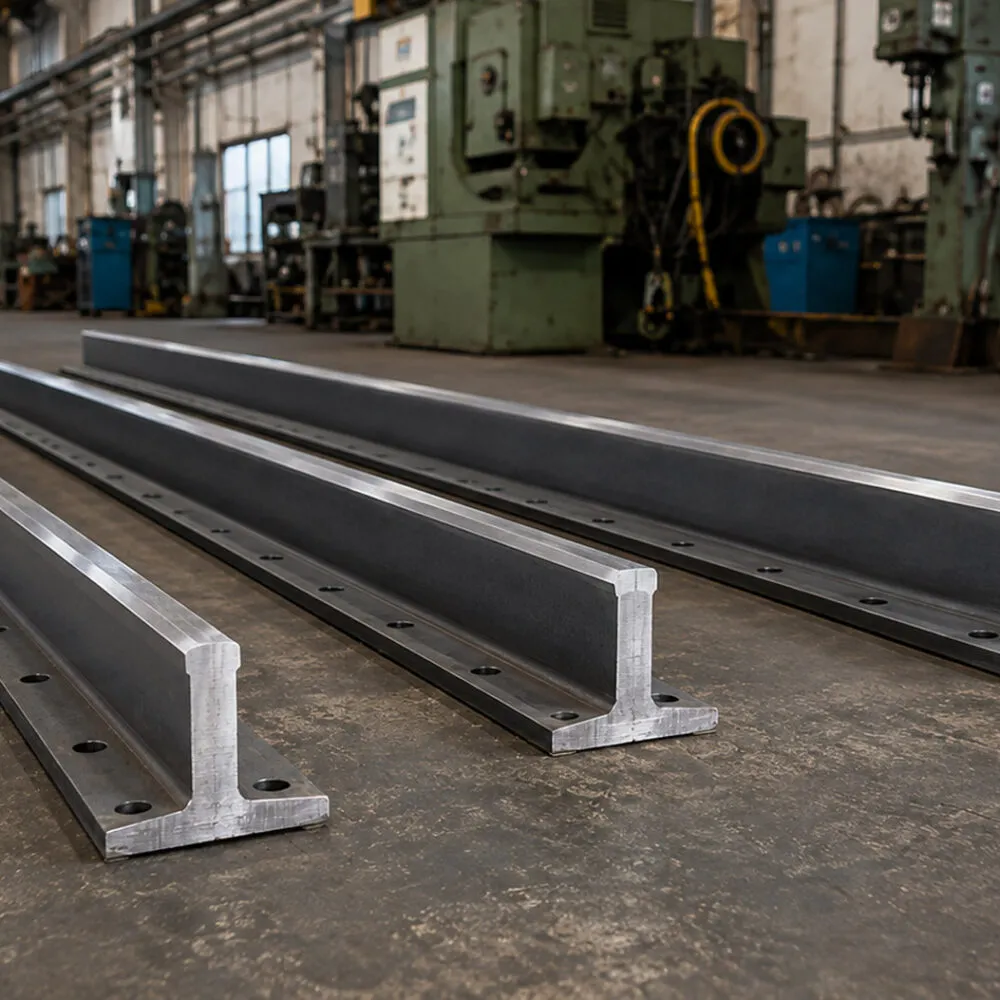
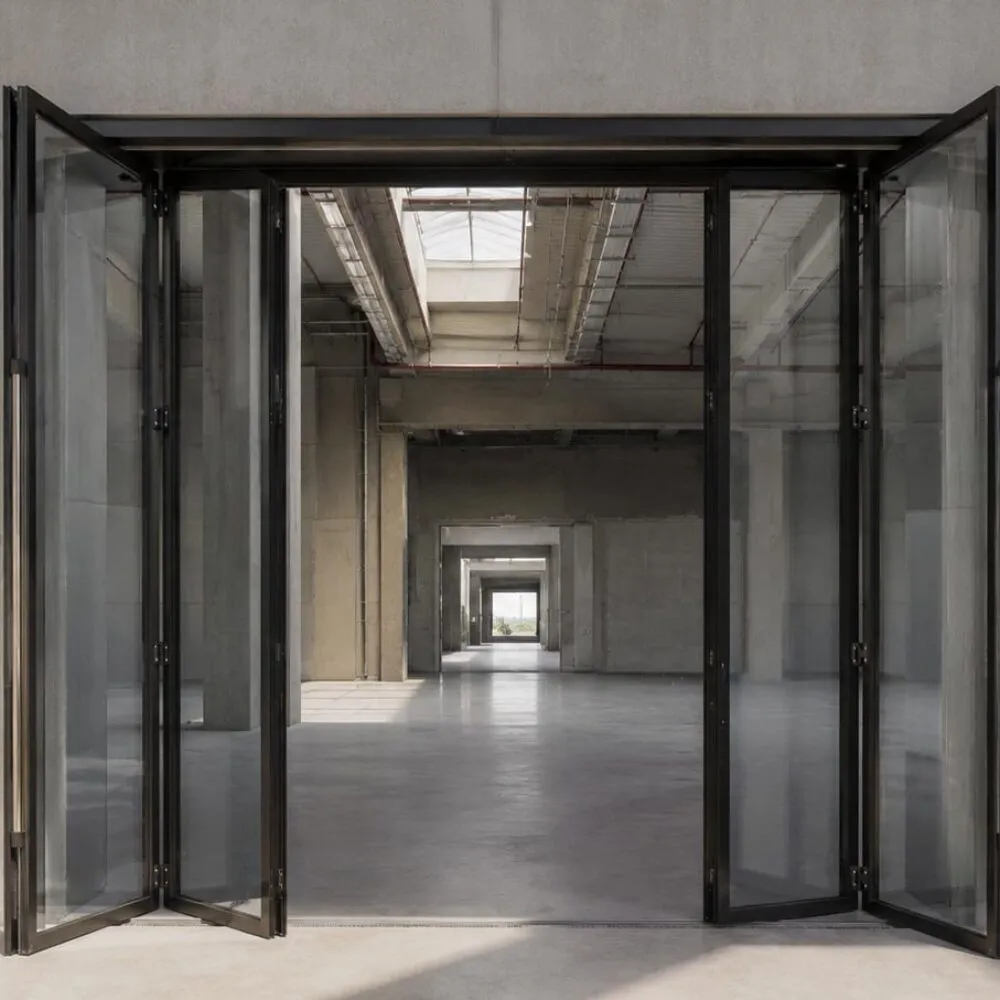
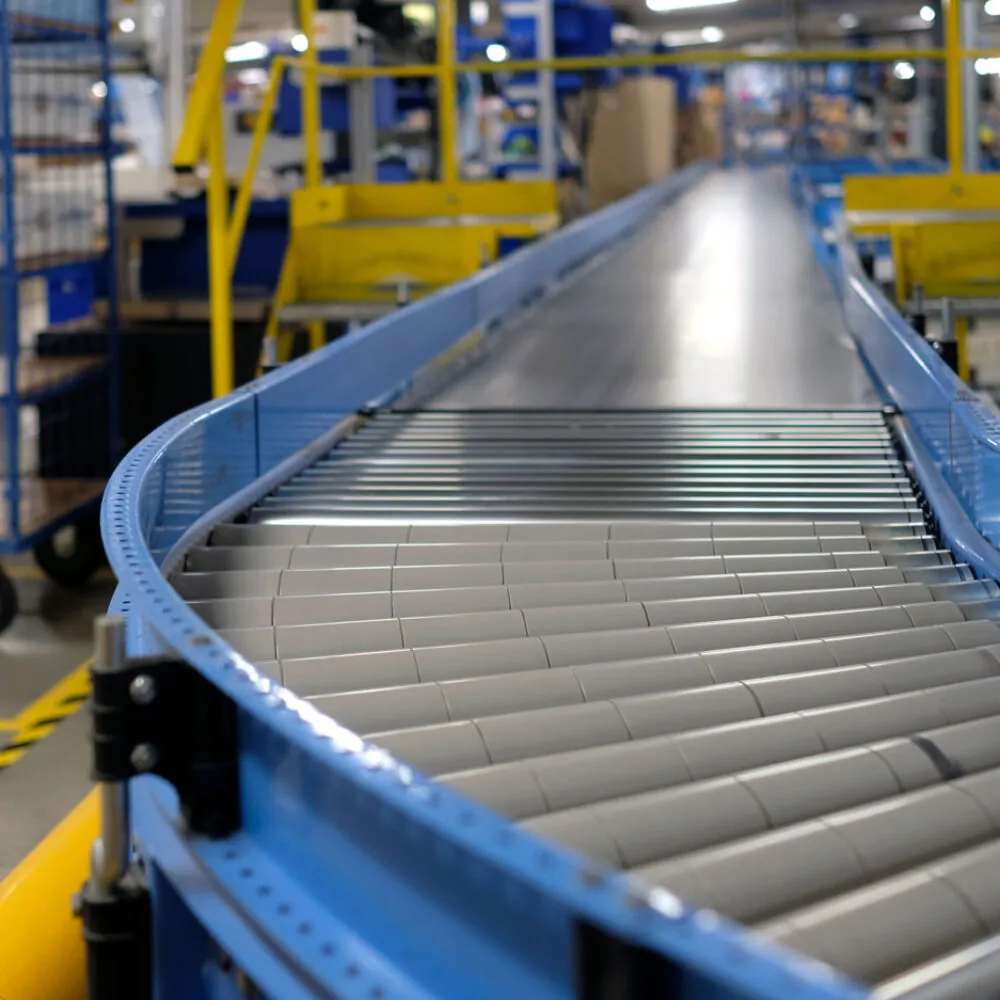
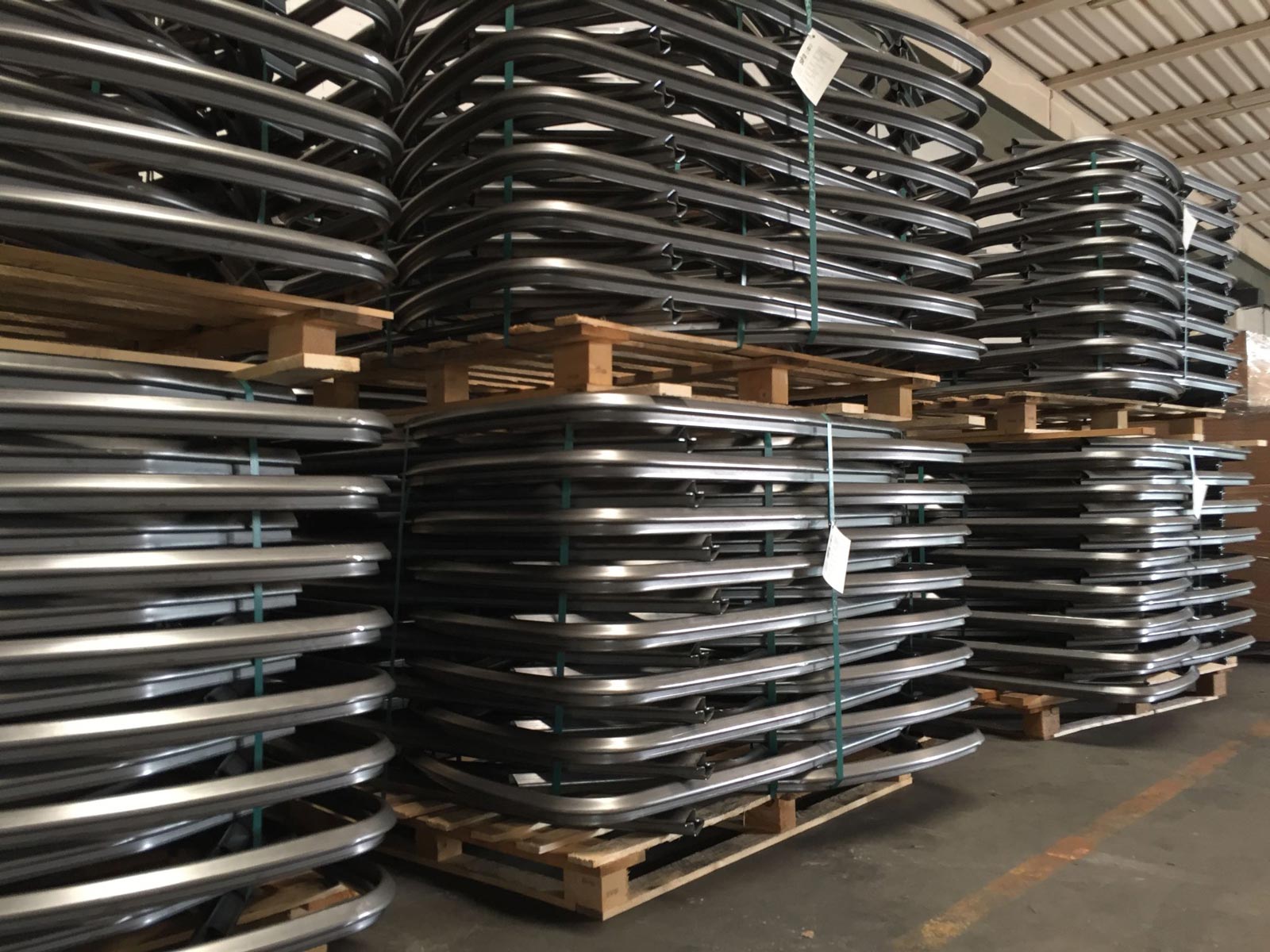
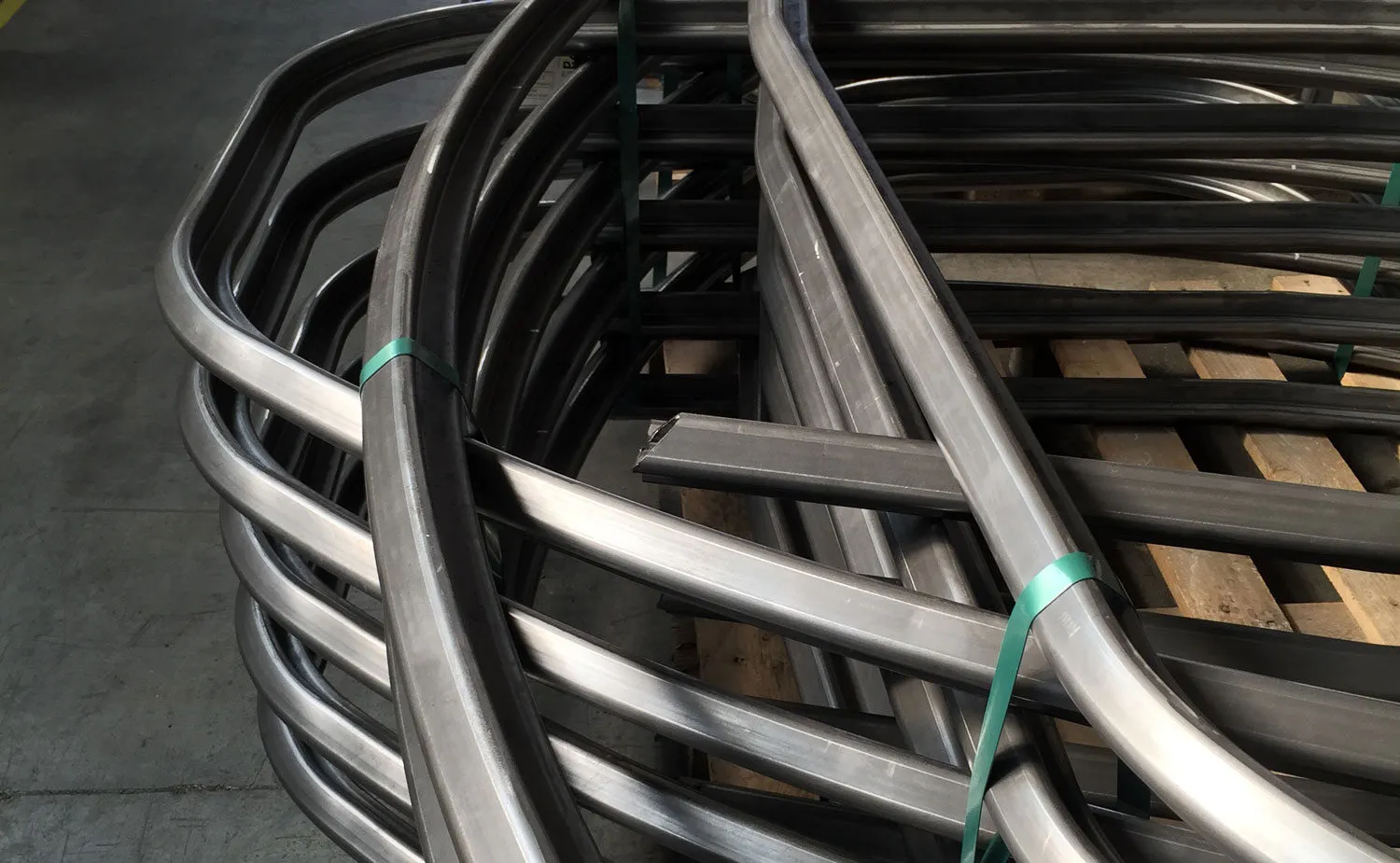
Bending profiles are metal components shaped through controlled deformation processes to achieve precise curves, arches, or complex geometries. These profiles play a critical role in modern architecture, industrial manufacturing, and infrastructure projects where standard straight profiles cannot meet design or functional requirements. Understanding the manufacturing process behind bending profiles helps businesses select the right partner for their custom metal component needs.
The bending process: technology and precision
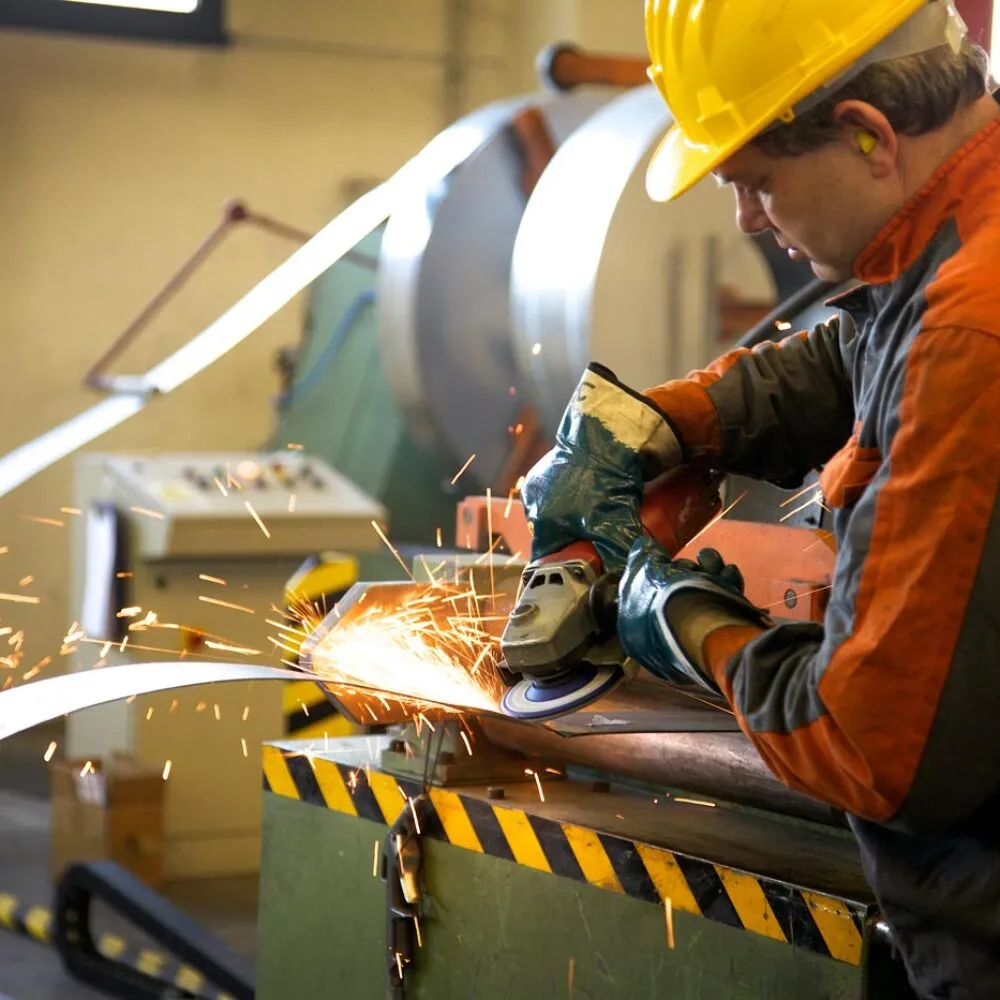
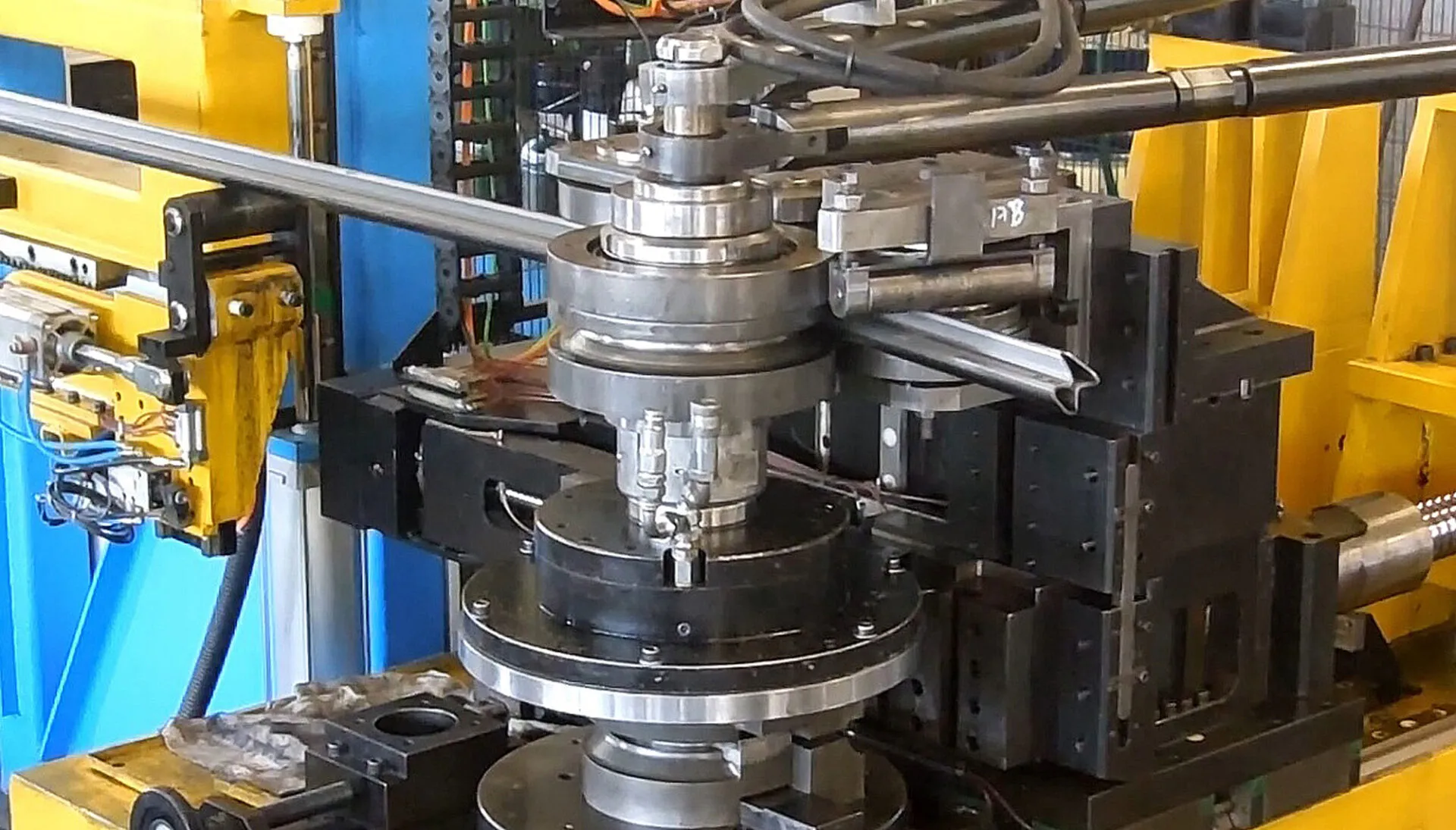
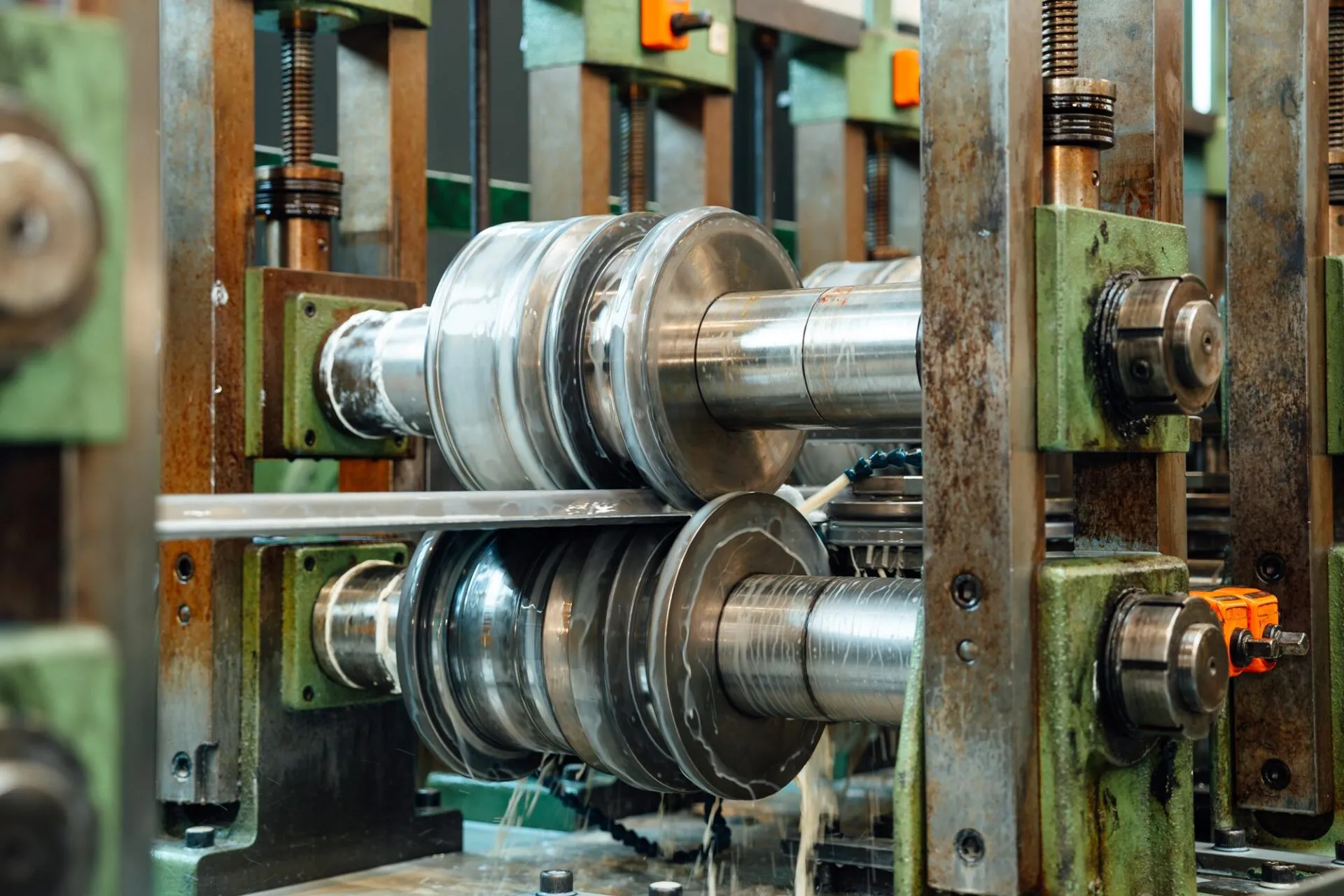
The production of bending profiles relies on specialized machinery such as calenders, rollers, and press brakes that apply controlled pressure to metal sheets or strips. This cold-forming technique allows manufacturers to create components with fixed or variable curves while maintaining the material’s mechanical integrity. Unlike hot bending, cold bending preserves the metal’s original strength and ductility, resulting in profiles that perform reliably under demanding structural loads.
Materials used for bending profiles
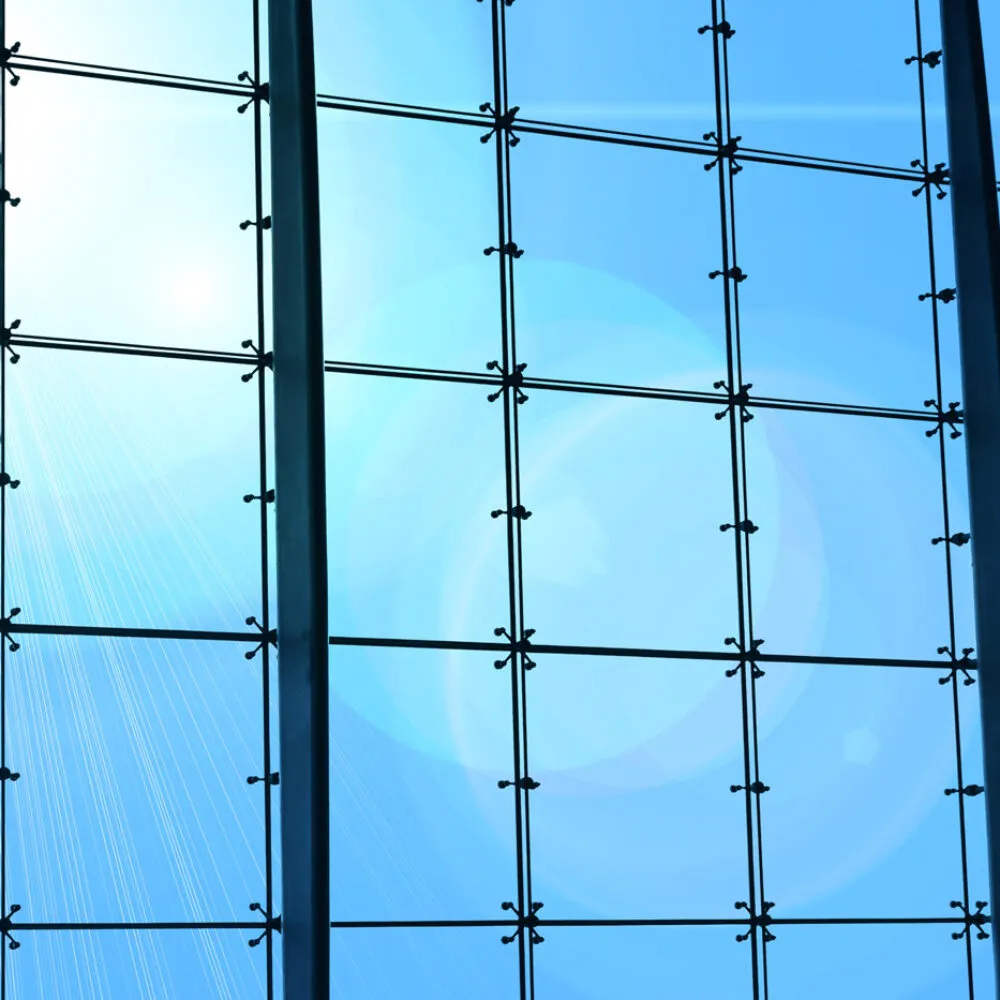
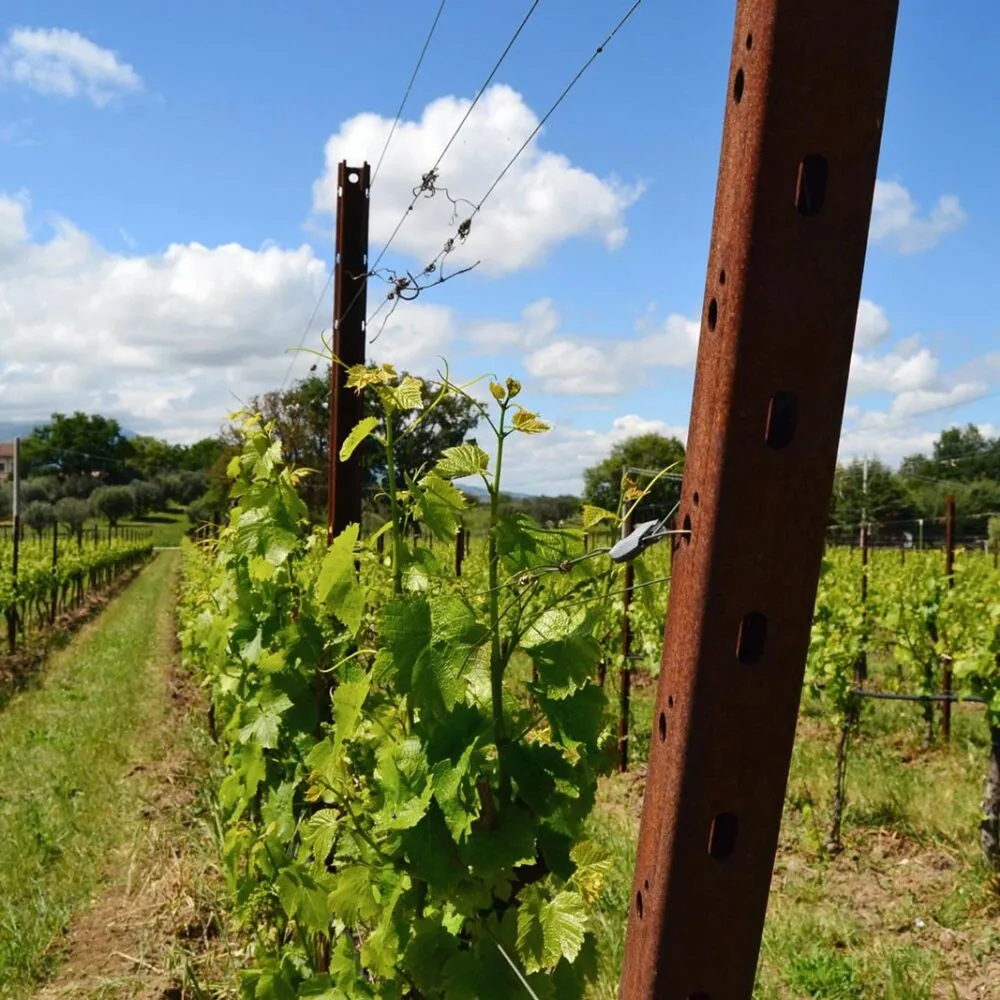
Bending profiles can be manufactured from a wide range of metals, each offering distinct advantages depending on the intended application. Steel, including stainless, galvanized, and corten variants, provides exceptional strength and durability for structural arches, railings, industrial machinery, and outdoor installations. Aluminum is highly valued for its lightweight properties and corrosion resistance, making it ideal for architectural façades, curtain walls, and urban furnishing elements.
The choice of material directly influences the bending parameters required to achieve precise curvature without compromising surface quality