News

Aluminum vs Steel Trailer Sides: Which Is Better?

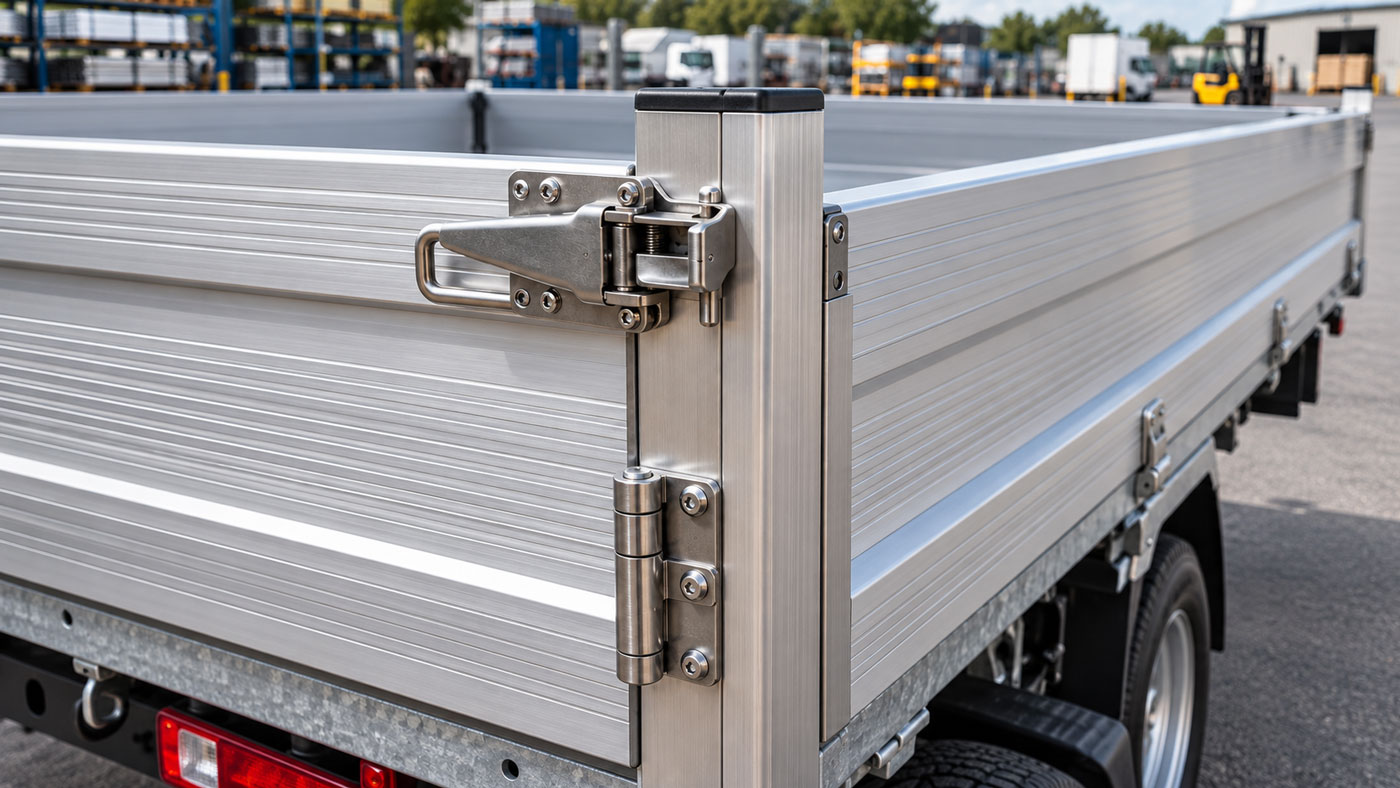
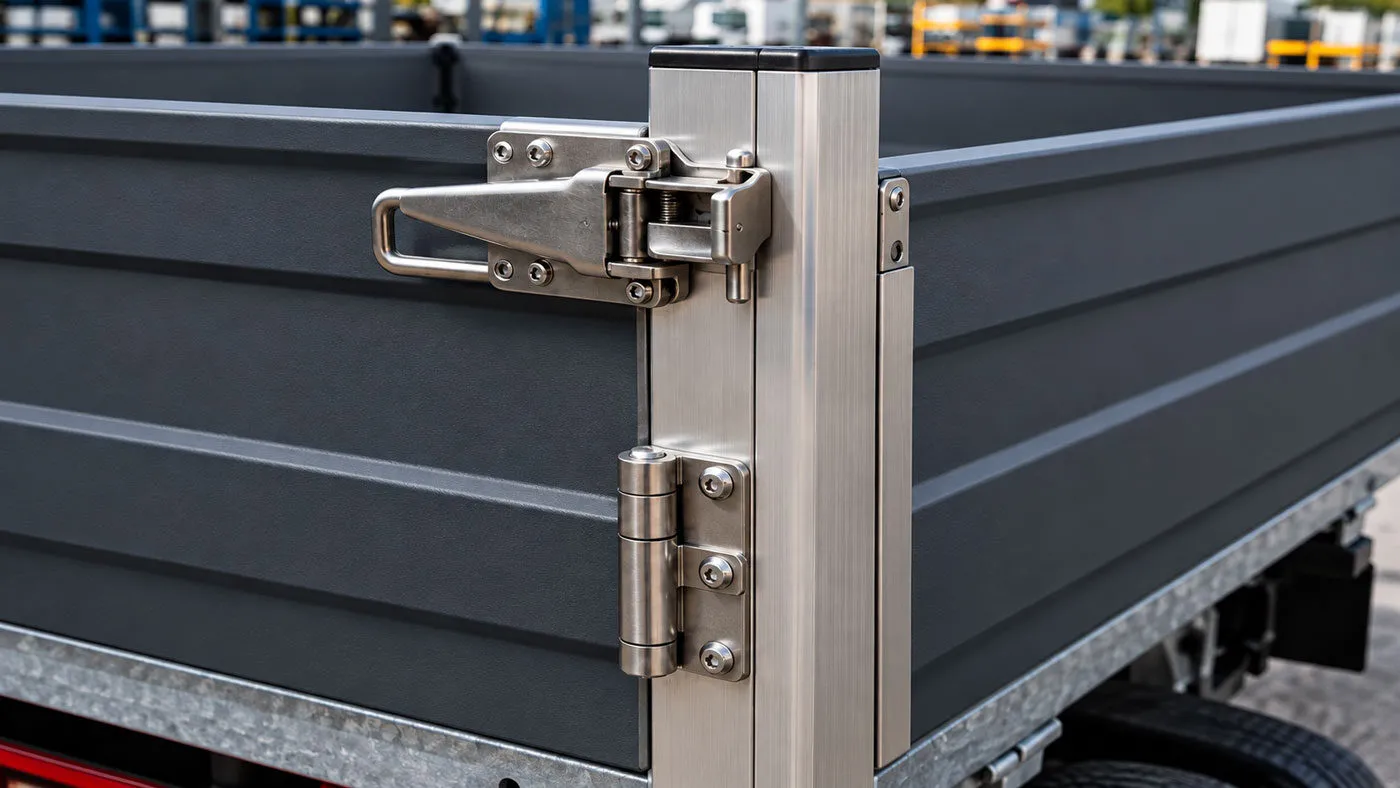
Aluminum truck side panel with stake and latch

Anyone who builds or upfits a truck or trailer has to choose the material of the side panels early on: steel or aluminum. The choice affects payload, maintenance and the cost of the vehicle over its whole life.

In this guide we compare the two materials on truck and trailer sides. For the general comparison between the two metals, read steel vs aluminum; here we focus on side panels, posts and stakes.

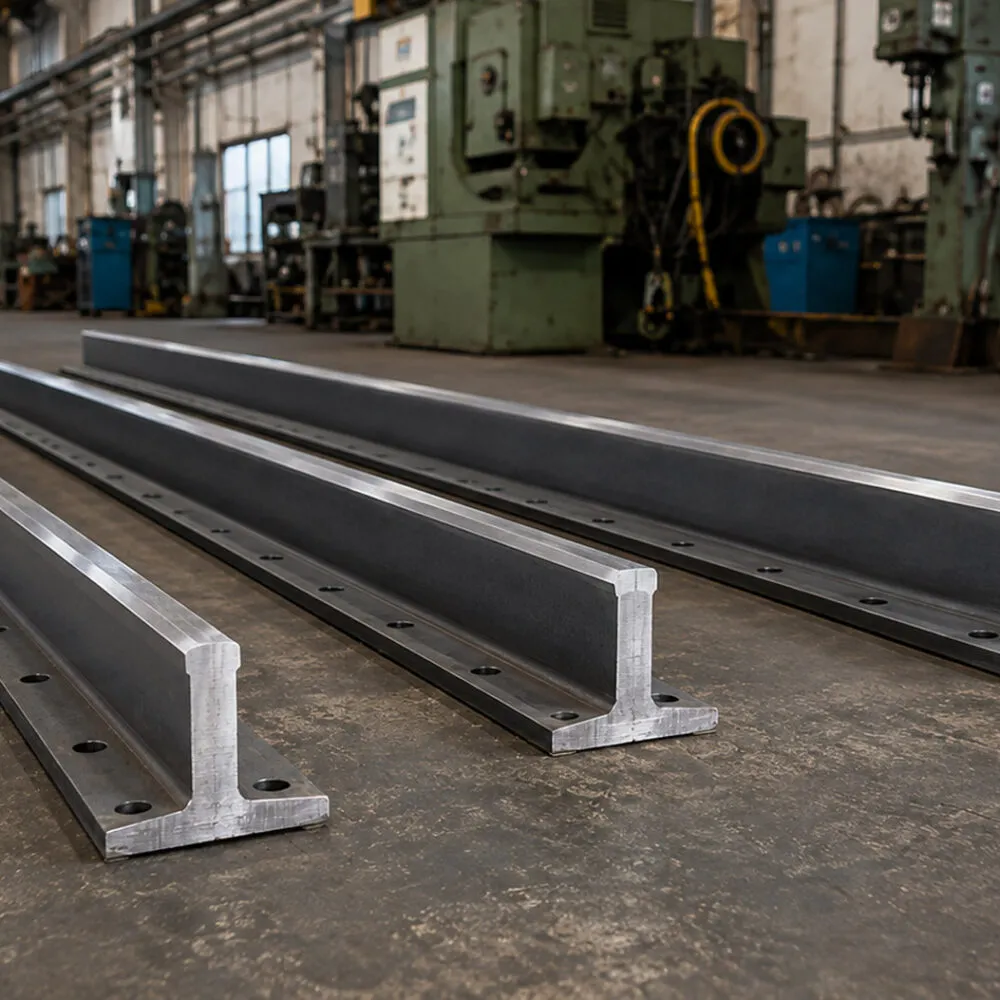
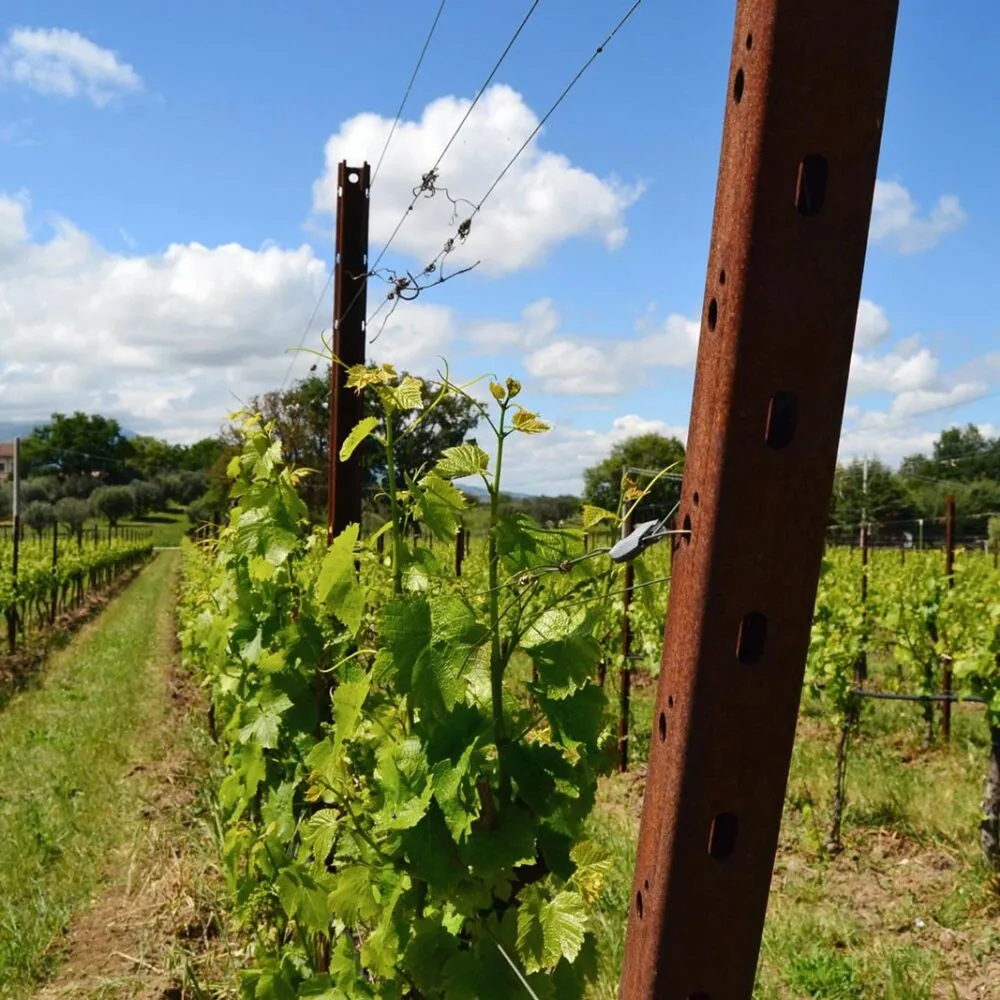
Painted steel truck side panel

In short: when to choose steel or aluminum sides

Choose aluminum if you want a lighter vehicle and more payload, and if the truck works outdoors, with rain and frequent washing.
Choose steel if you need maximum stiffness and a lower material cost, accepting more weight and rust protection.
For most truck and trailer side panels, aluminum is the usual choice.

Steel vs aluminum trailer sides: properties compared

These are the values that matter when designing the sides of a truck or trailer.

Property Steel Aluminum
Density 7.85 g/cm³ 2.70 g/cm³ (about one third)
Stiffness (elastic modulus) about 210 GPa about 70 GPa
Yield strength 235–355 MPa 100–250+ MPa
Thermal expansion about 12 µm/m·K about 23 µm/m·K
Rust outdoors yes, needs galvanizing or painting no
Cost per kg lower higher, often more than double

Steel is about three times stiffer, but aluminum weighs about one third by volume.

That is why an aluminum side panel is designed with a taller section or ribs: at equal stiffness it is still much lighter.

Weight and payload

The weight of the sides adds to the vehicle’s tare. Every kg saved on the sides is one more kg of cargo you can carry.

At equal stiffness, an aluminum profile weighs about half as much as a steel one. On a truck with sides along the whole body, the difference shows.
For daily transport and distribution, the weight saving counts more than the initial cost of the material.

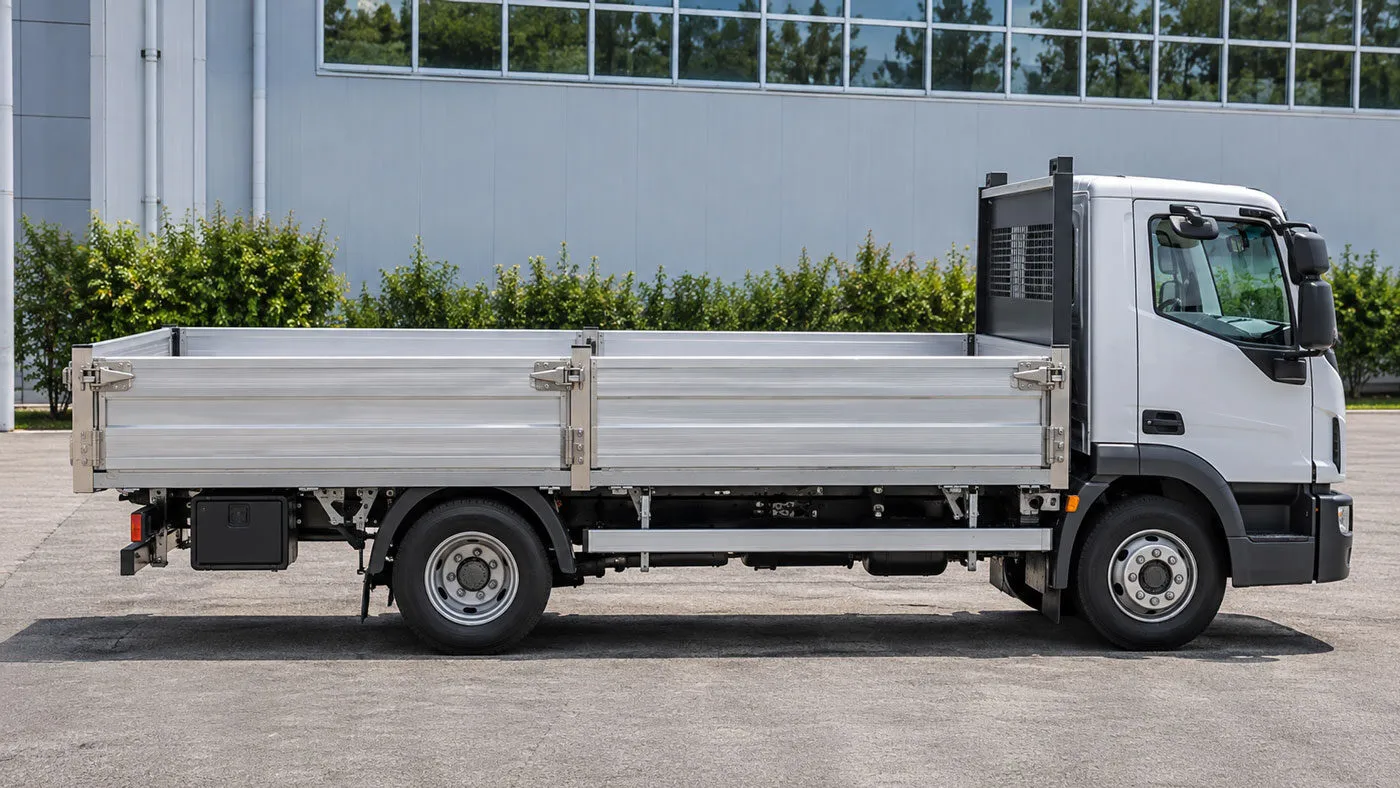
Truck body with custom aluminum side panels

Posts, stakes and side panel fittings

Side panels are more than flat boards: posts and stakes support them and hold the seats for hinges, latches and hooks.

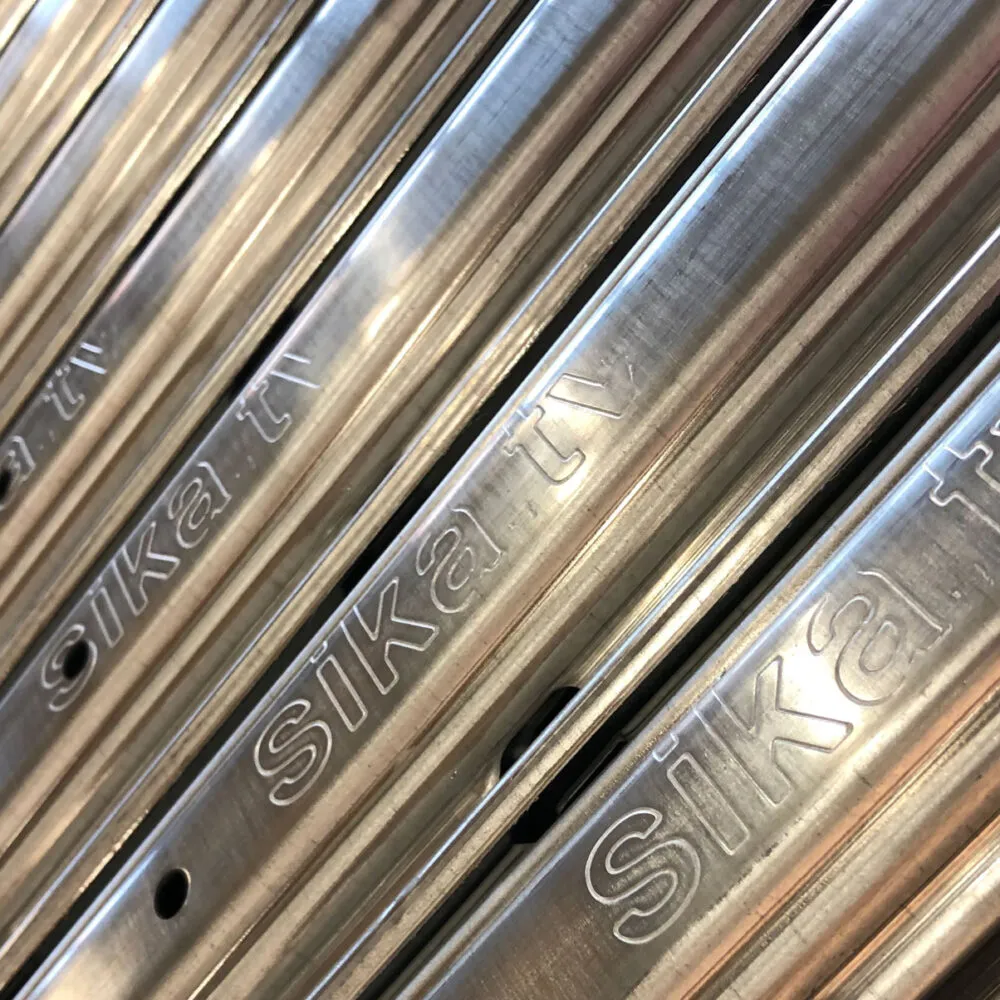
These profiles must be made with consistent tolerances, because they have to match the fittings in every batch, both for original equipment and for spare parts. See our custom truck side profiles.

Corrosion and maintenance

Trucks work in rain, road salt and washing. Unprotected steel rusts.

  • Steel: must be galvanized or painted, and the protection must be checked over time.
  • Aluminum: does not rust and needs less maintenance.
  • Watch the joints: steel hinges and bolts on aluminum sides can cause galvanic corrosion in humid conditions. Insulate the two metals with gaskets, insulating washers or paint.

Cost

Aluminum costs more per kg, often more than double the price of steel.

But an aluminum side panel uses fewer kg of material, lasts without rust and increases the vehicle’s payload. Compare the total cost over the vehicle’s life, not just the price per kg.

How side panel profiles are made

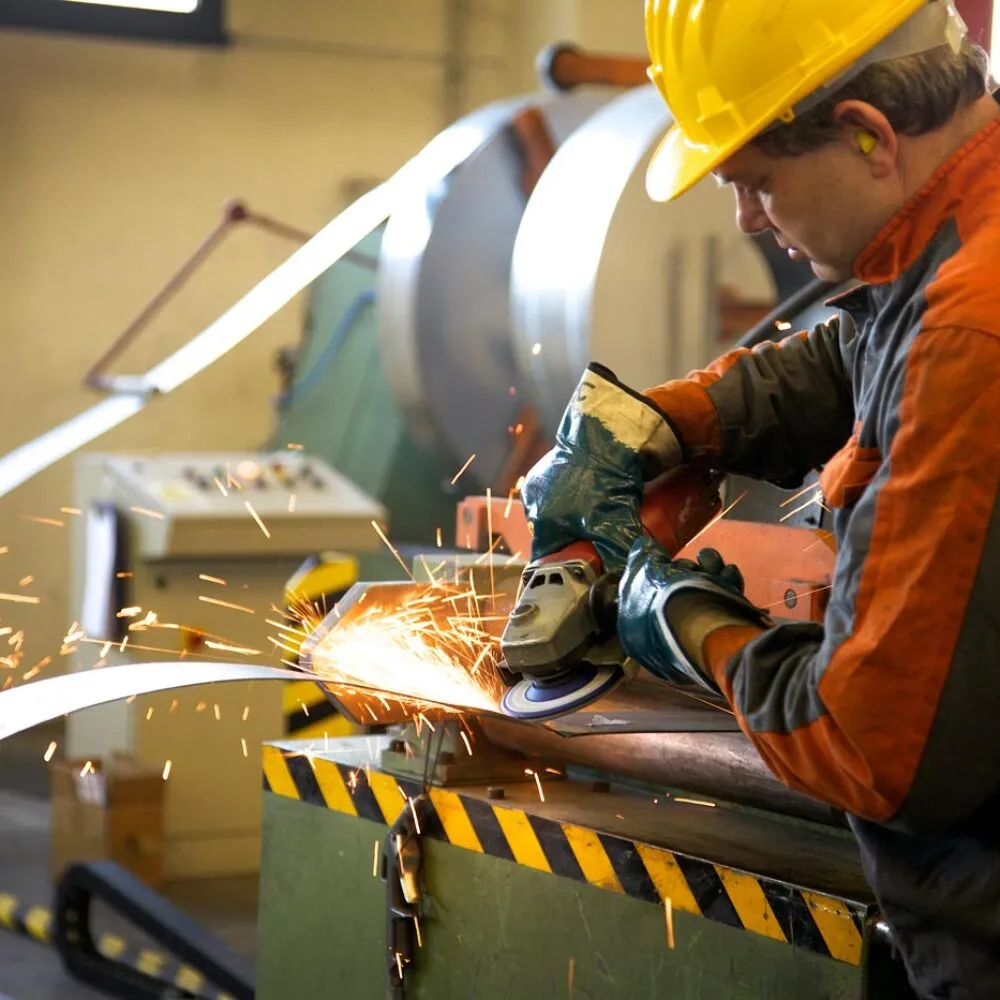
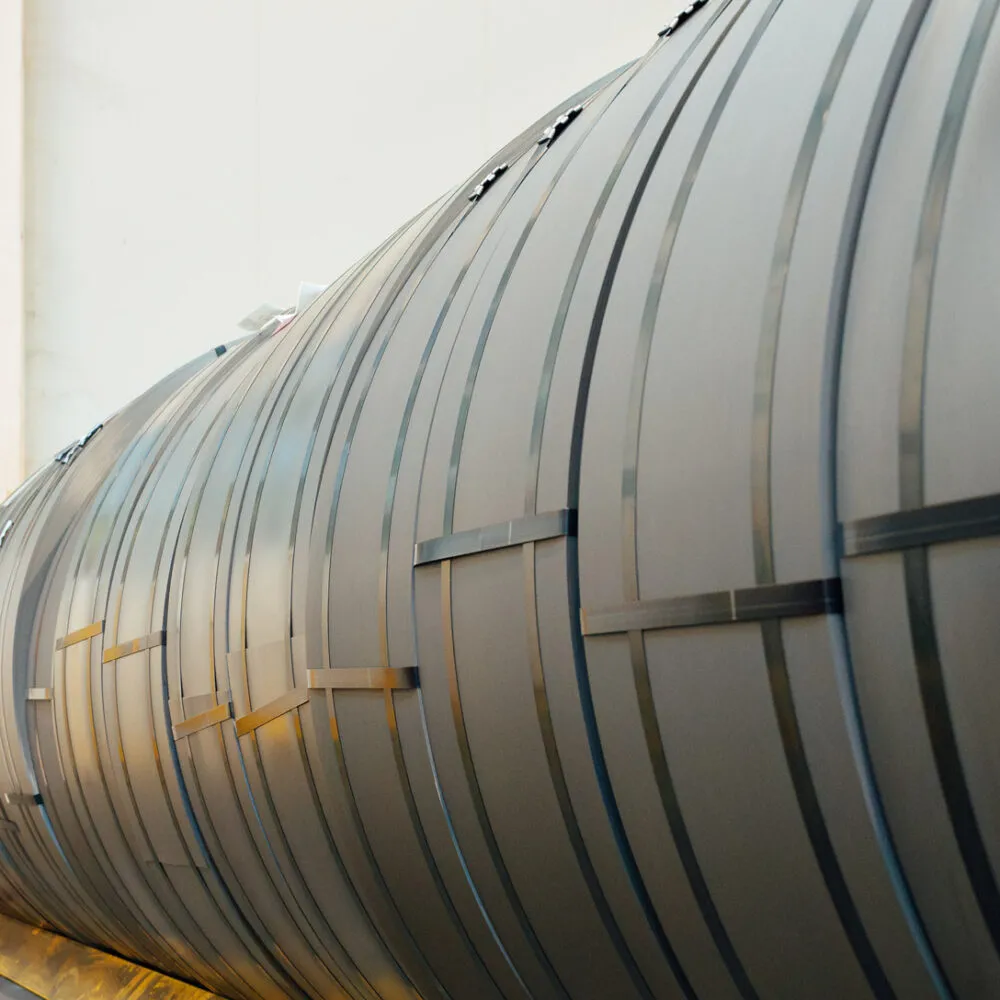
Sika Profili makes side panel profiles as a contract manufacturer, to the customer’s drawing. The profile starts from coil through cold roll forming, with in-line operations: punching, cutting to length, HF welding, bending and rolling.

This gives identical batches over time, for original equipment and for spare parts.

How to choose for your vehicle

Start from how the vehicle is used: load, body type, working environment. Then define material, thickness and profile shape.

We work thicknesses from 0.4 to 4 mm and strip widths up to 550 mm, in galvanized steel, stainless steel and aluminum. Discover our custom metal profiles for automotive and our aluminum profile manufacturing.

Send us the drawing of your side panel: we will find the right solution together.

Frequently asked questions

Are aluminum trailers better than steel?

It depends on how the vehicle is used. Aluminum weighs about one third of steel by volume and does not rust, so it lowers the vehicle’s weight and leaves more payload. Steel is about three times stiffer and costs less per kg, but outdoors it needs galvanizing or painting. For truck and trailer side panels, aluminum is usually the better choice; steel still makes sense where high stiffness and low material cost come first.

How much lighter is an aluminum trailer than a steel one?

Aluminum has a density of 2.70 g/cm³ against 7.85 g/cm³ for steel, about one third. Because aluminum is less stiff, its profiles are designed with taller sections or ribs; even so, at equal stiffness an aluminum profile weighs about half as much as a steel one.

Are aluminum trailers as strong as steel?

Not at the same cross-section: steel is about three times stiffer (about 210 GPa vs about 70 GPa) and has a higher yield strength. An aluminum side panel reaches the required stiffness through its shape, with a taller section or ribs, defined on the customer’s drawing for the load and use of the vehicle.

Why are aluminum trailers more expensive?

Aluminum costs more per kg than steel, often more than double. However, an aluminum side panel uses fewer kg of material, needs no rust protection and increases payload, so the comparison should be made on the total cost over the vehicle’s life, not only on the price per kg.

Aluminum vs galvanized steel trailer: which handles corrosion better?

Aluminum does not rust and needs less maintenance. Galvanized steel is protected by its zinc coating, which should be checked over time. Where steel hinges or bolts touch aluminum panels in humid conditions, galvanic corrosion can occur: insulate the two metals with gaskets, insulating washers or paint at the joints.

Contact us to find out how Sika can support your project with high-quality special profiles and custom solutions.
Open sidebar Open sidebar
Whatsapp Whatsapp