You might be interested in
Technology
Floor transition strips metal: professional solutions for commercial flooring projects
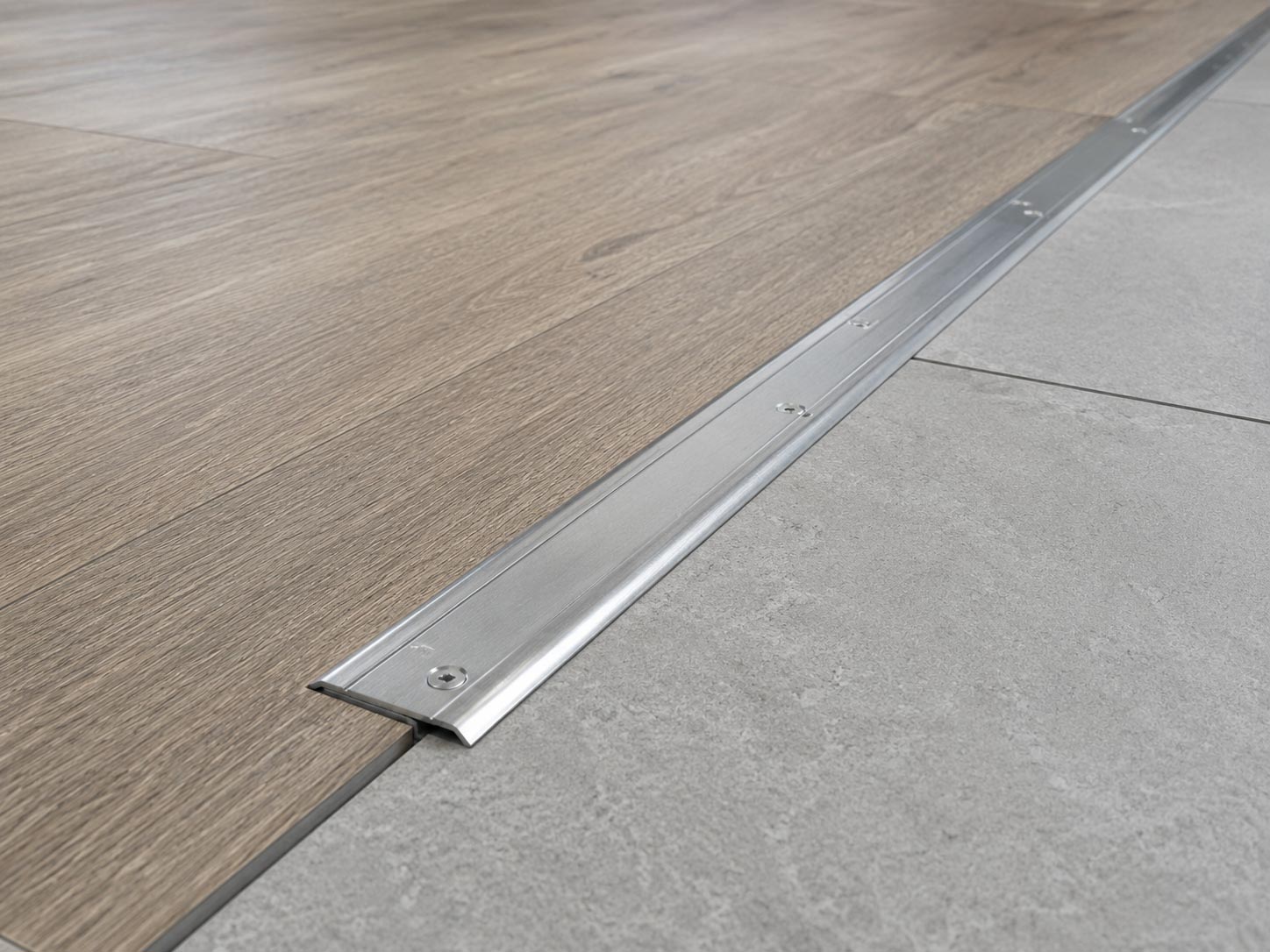
Floor transition strips metal represent essential architectural elements in commercial flooring installations. They create seamless transitions between different flooring materials, heights, and surfaces. These precision-engineered metal profiles protect floor edges from damage while ensuring safety and aesthetic continuity throughout commercial spaces.
Industries including offices, retail, healthcare, hospitality, education, and industrial facilities rely on metal transition strips. They provide durable solutions that withstand heavy foot traffic, rolling equipment, and demanding operational conditions.
Metal floor transition strips compatible with vinyl flooring
Vinyl flooring, including LVT (Luxury Vinyl Tile) and LVP (Luxury Vinyl Plank), requires specialized metal transition strips. These accommodate the material’s unique installation characteristics and dimensional behavior. Metal profiles designed for vinyl applications feature specific engineering elements. These ensure secure attachment, proper expansion allowance, and edge protection.
Aluminum transition strips: the standard choice for vinyl floors
Aluminum transition strips represent the most common choice for vinyl flooring transitions. They offer lightweight construction, corrosion resistance, and compatibility with adhesive or mechanical fastening methods. Anodized aluminum finishes provide enhanced durability and color options. These include brushed nickel, satin silver, bronze, and black to complement various design aesthetics.
T-Molding profiles for same-height vinyl transitions
T-molding profiles create transitions between vinyl floors of equal height. They accommodate expansion gaps required by floating vinyl installations while protecting both floor edges. The slim profile design maintains ADA compliance with minimal height differential. This prevents tripping hazards in commercial environments. Standard T-molding widths range from 1/4 inch to 7/16 inch. These cover typical expansion gaps specified by vinyl flooring manufacturers.
Reducer strips for multi-level floor transitions
Reducer strips address height differences between vinyl and adjacent flooring materials. Common applications include vinyl-to-carpet, vinyl-to-tile, and vinyl-to-concrete transitions. The sloped profile provides smooth wheelchair and cart passage while protecting the raised vinyl edge from damage. Commercial-grade reducers feature durable construction. They withstand repeated impacts from cleaning equipment and material handling carts.
Track-and-insert systems for flexible vinyl edge solutions
Specialized vinyl edge profiles include flush-mount systems with track-and-insert designs. The metal track installs beneath the vinyl during initial installation. The visible insert snaps into place afterward, creating a clean finished edge. This system allows future insert replacement without disturbing the flooring. It proves valuable in commercial renovations and maintenance scenarios.
Stainless steel strips for moisture-prone vinyl installations
Stainless steel transition strips serve vinyl installations in moisture-prone areas. These include commercial kitchens, healthcare facilities, and food service environments. The corrosion-resistant material withstands frequent wet cleaning and chemical exposure. Stainless steel provides superior longevity compared to aluminum in these demanding applications.
Where to find metal floor transition strips for uneven floors
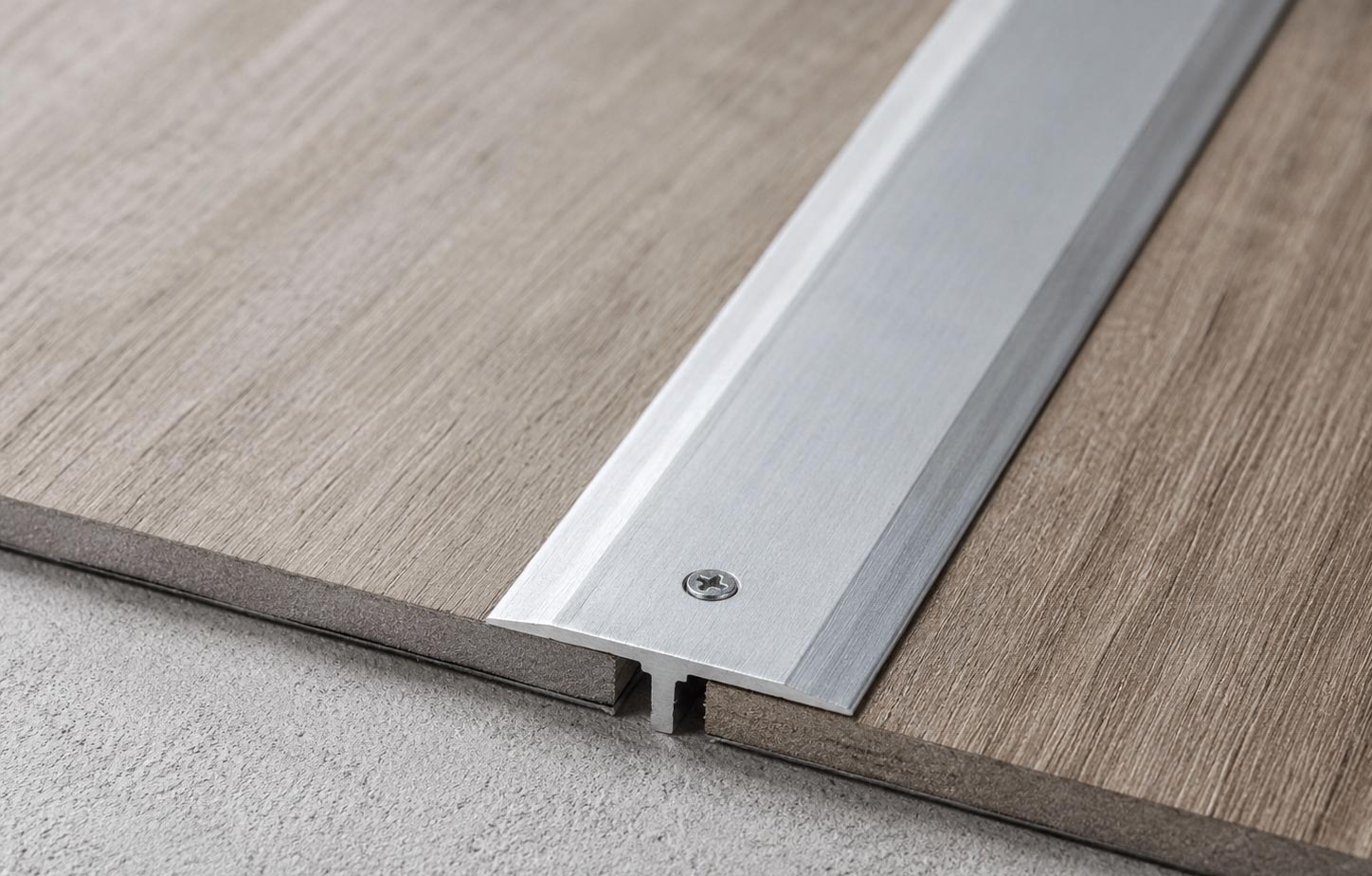
Uneven floor conditions present unique challenges in commercial installations, where different materials, structural tolerances, or long-term settlement can create height discrepancies. Metal transition strips for uneven floors must be designed to accommodate these variations while ensuring safety, durability, and a clean visual finish. Beyond aesthetics, these elements play a crucial role in preventing trip hazards and maintaining accessibility standards. For flooring contractors and facility managers, identifying reliable and high-performance solutions is essential. The right transition system not only improves functionality but also contributes to the overall quality and longevity of the flooring installation.
Custom manufacturing and cold roll forming advantages
Custom metal profile manufacturers represent the most effective solution for managing uneven floor transitions. By leveraging cold roll forming technology, they can produce profiles with precise dimensional control and consistent quality. This process allows for the creation of tailored solutions that accommodate non-standard height differences, unique floor materials, and specific project requirements. Engineers can optimize profile geometry to ensure a seamless transition, while material selection can be adapted to environmental conditions and load demands. With options such as aluminum, stainless steel, galvanized steel, and brass, each project can achieve the right balance of performance and design. Additionally, scalable production makes it possible to efficiently meet the needs of both small renovations and large commercial developments.
Flexible systems, supply options, and project support
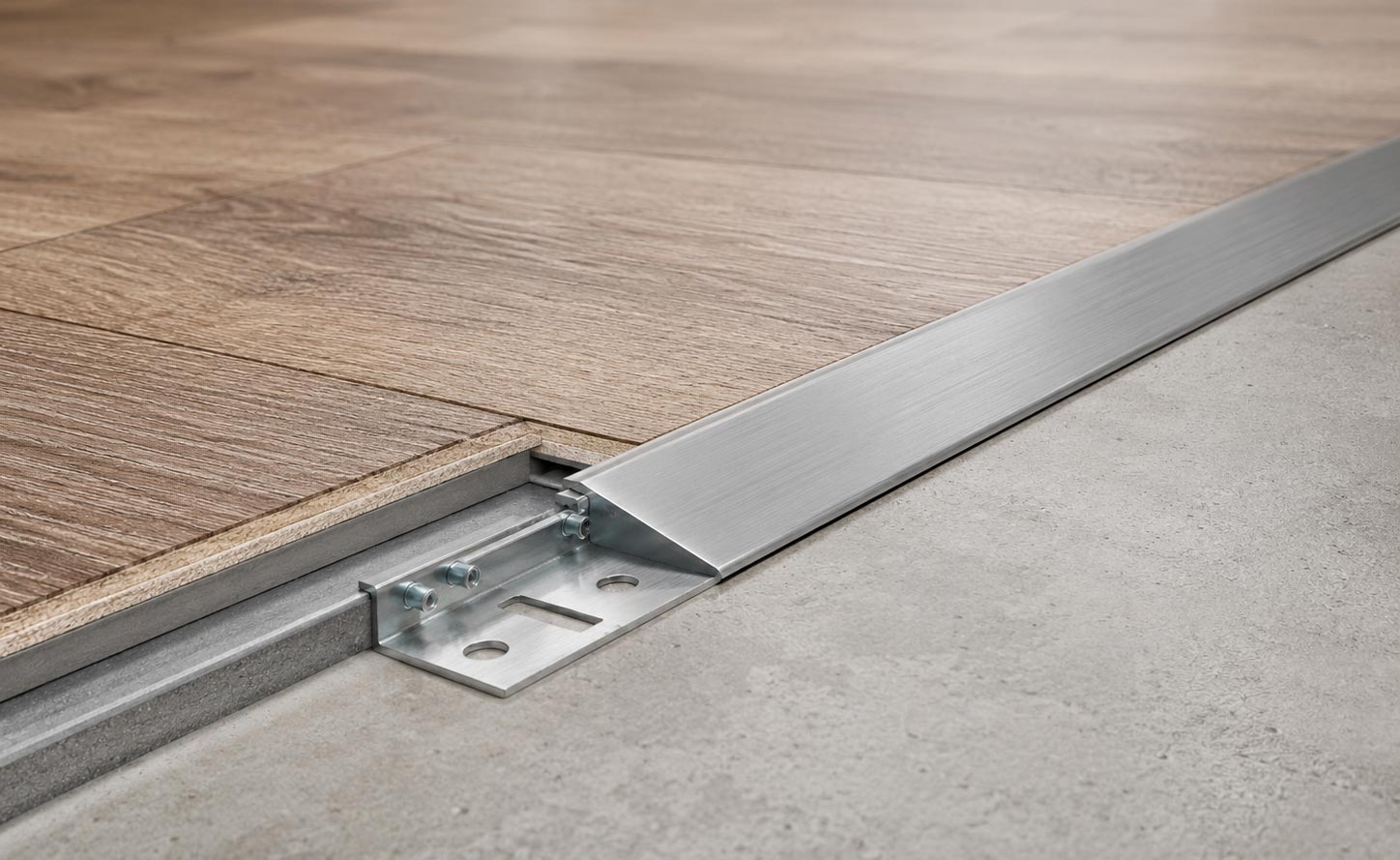
Adjustable transition systems add an extra layer of flexibility, particularly in environments where floor levels may shift over time. These systems feature height-adjustable components and mechanical fastening solutions that allow for precise on-site adaptation, even when exact measurements are not available in advance. While standard profiles can be sourced from professional flooring distributors, more complex or custom applications typically require direct collaboration with manufacturers. This ensures proper engineering, material selection, and production control. Moreover, experienced manufacturers offer valuable support services, including technical consultation, sample development, and installation guidance. Even for international projects, they manage logistics efficiently, making them reliable partners for high-quality commercial flooring solutions.
Types and applications of metal floor transition strips
Commercial flooring projects require diverse metal transition strip configurations to address specific installation scenarios:
- T-Molding profiles: Connect floors of equal height including vinyl-to-vinyl, tile-to-tile, or mixed material transitions. Feature symmetrical design with anchoring legs on both sides. Accommodate expansion gaps while protecting both floor edges. Available in various widths from 1/4 inch to 1 inch.
- Reducer strips: Transition from higher to lower floor surfaces with gradual slopes. ADA-compliant designs prevent wheelchair and mobility device interference. Common applications include carpet-to-vinyl, tile-to-concrete, and wood-to-resilient flooring. Available in multiple height ranges from 1/8 inch to 1/2 inch differentials.
- End cap profiles: Provide finished edges where flooring terminates at walls, sliding doors, or building transitions. Protect exposed floor edges from impact damage and moisture infiltration. Feature single-sided design with visible trim surface and concealed anchoring leg.
- Stair nosing: Protect stair edges in commercial installations with heavy foot traffic. Integrate slip-resistant inserts for enhanced safety compliance. Available in surface-mount and flush-mount configurations. Materials include aluminum, stainless steel, and brass with various finishes.
- Threshold bars: Serve doorway transitions between rooms with different flooring types or heights. Feature low-profile designs meeting accessibility standards. Accommodate door swing clearances while protecting floor edges. Standard lengths from 36 inches to 72 inches with custom sizing available.
- Seam binders: Join two sections of identical flooring material in large open areas. Distribute stress across seam lines preventing separation and edge damage. Essential for commercial spaces exceeding single-section size limitations. Available in matching and contrasting finishes.
- Expansion joint covers: Address structural expansion joints in concrete substrates. Feature flexible center sections accommodating building movement. Protect floor edges while allowing horizontal displacement. Critical in large commercial installations and temperature-variable environments.
Selecting the right metal floor transition strip partner: why choose Sika
Successful commercial flooring projects require partnering with experienced metal profile manufacturers. They must combine technical expertise, advanced production capabilities, and commitment to quality standards.
Evaluation criteria should encompass design engineering support to optimize profile geometry for specific applications. Production capacity must meet project schedules and volume requirements. Material knowledge ensures appropriate metal grade and gauge selection. Secondary processing capabilities reduce supply chain complexity.
Quality certifications including ISO 9001, ISO 14001, and ISO 45001 provide assurance. They guarantee consistent manufacturing standards, environmental responsibility, and workplace safety. Flexibility in accommodating custom specifications, non-standard dimensions, and unique project requirements distinguishes capable manufacturers.
Advanced manufacturing expertise in custom metal floor transition strips
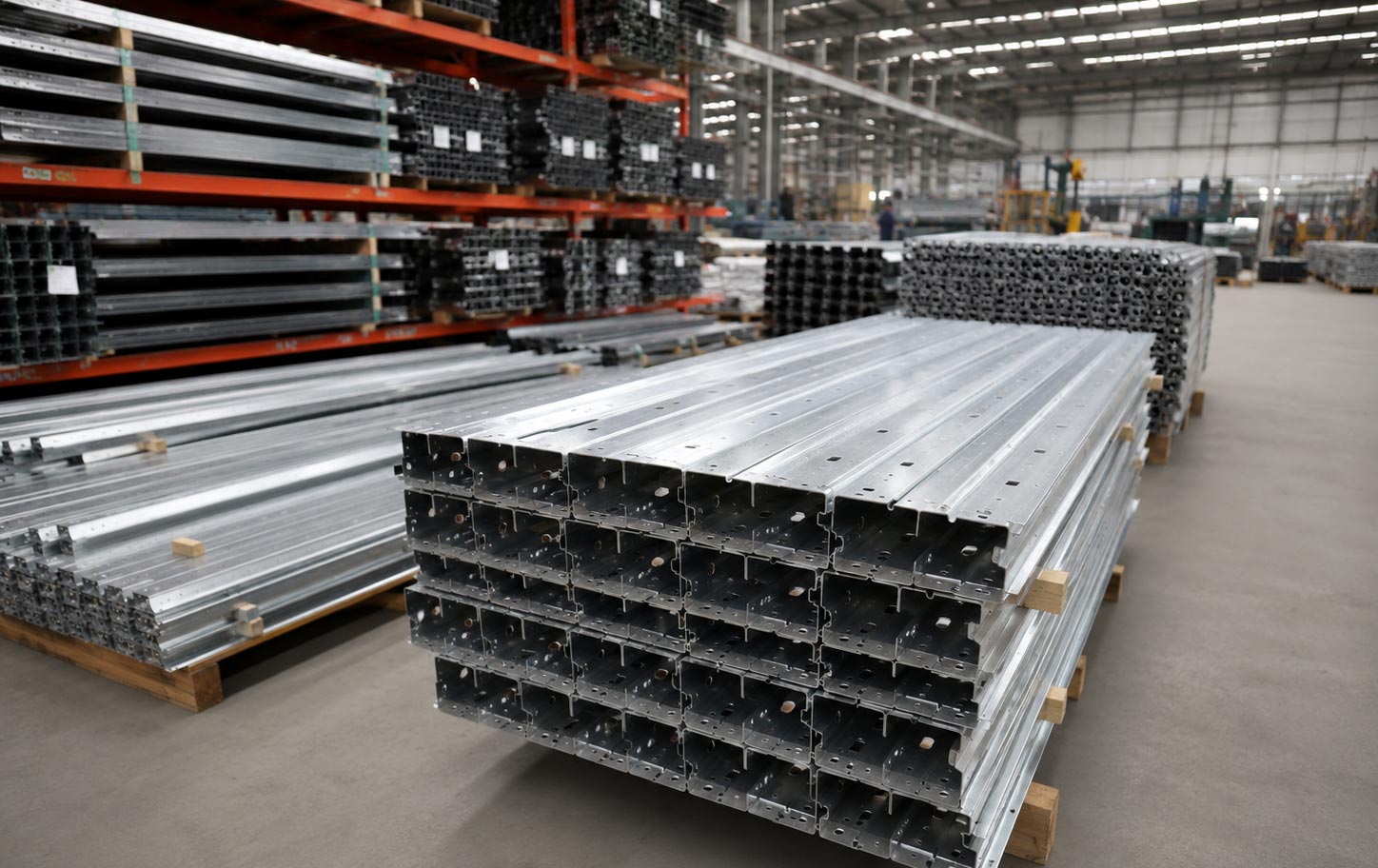
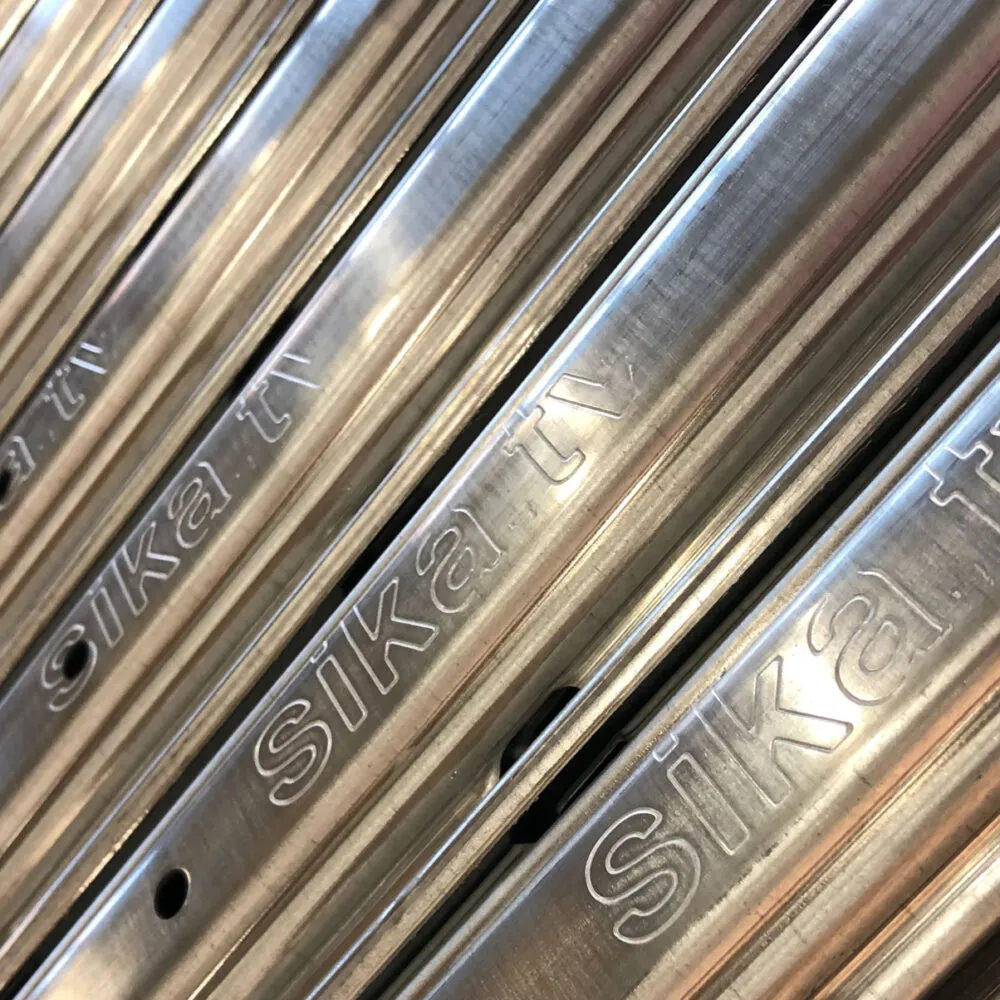
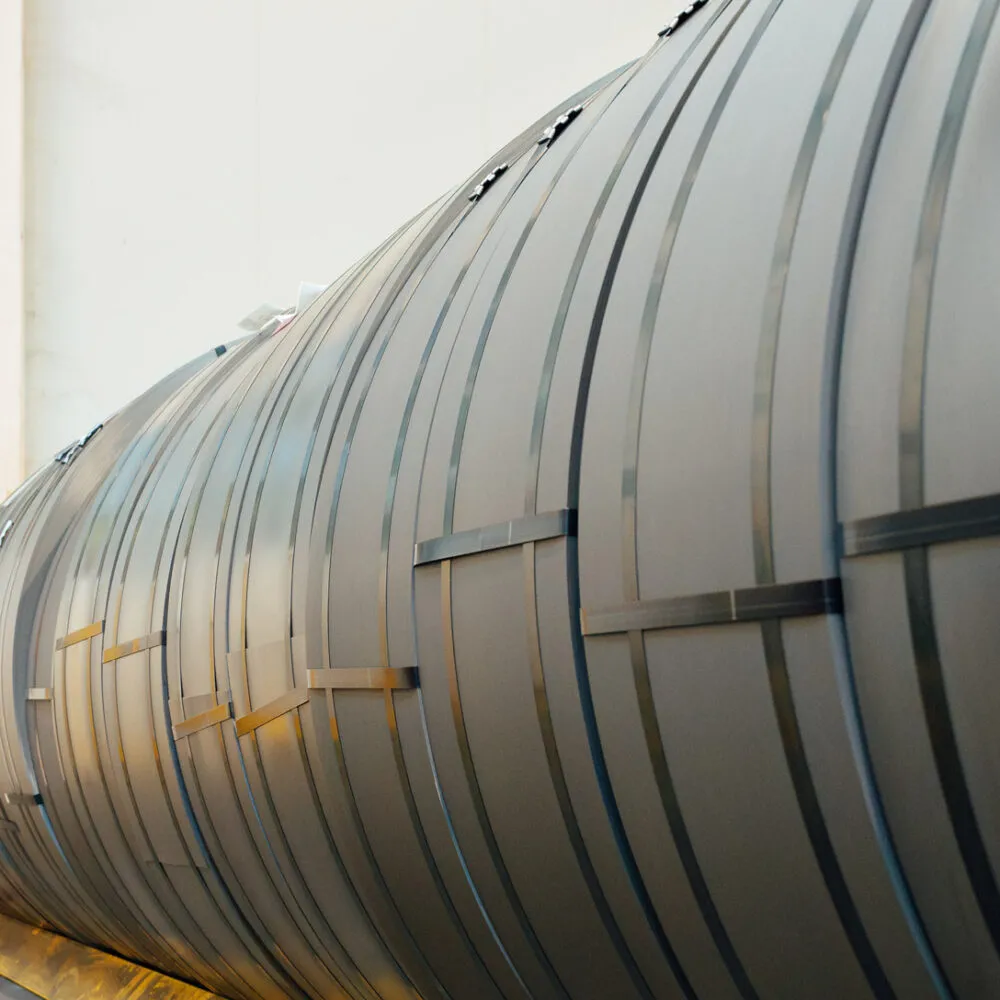
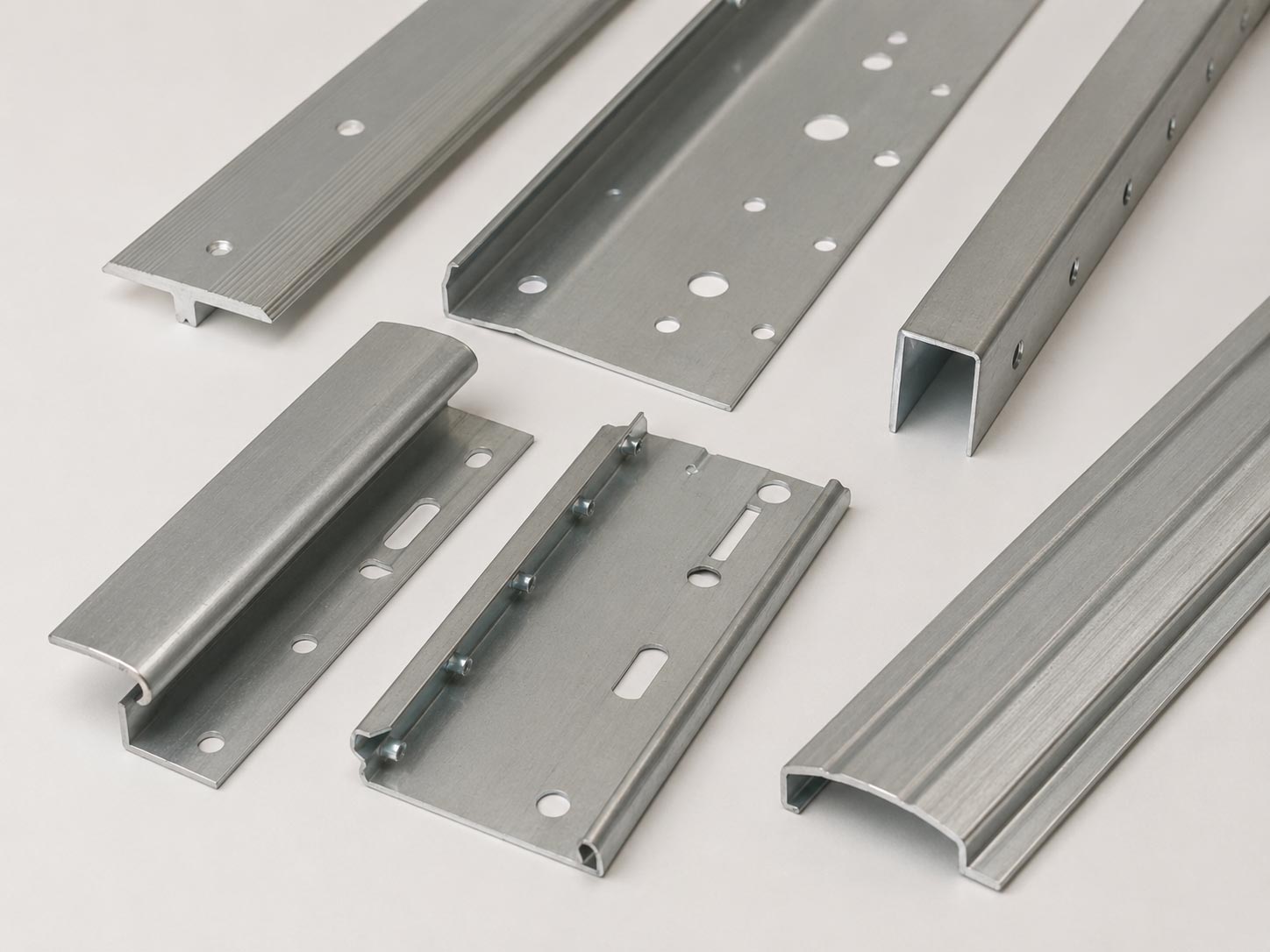
Sika brings decades of specialized experience in cold roll forming custom metal profiles. Our expertise serves demanding architectural and commercial applications. Our advanced production facilities process metal coils with thicknesses from 0.4mm to 4mm and widths up to 550mm. We create custom floor transition strips with precise cross-sections, consistent dimensions, and superior surface quality.
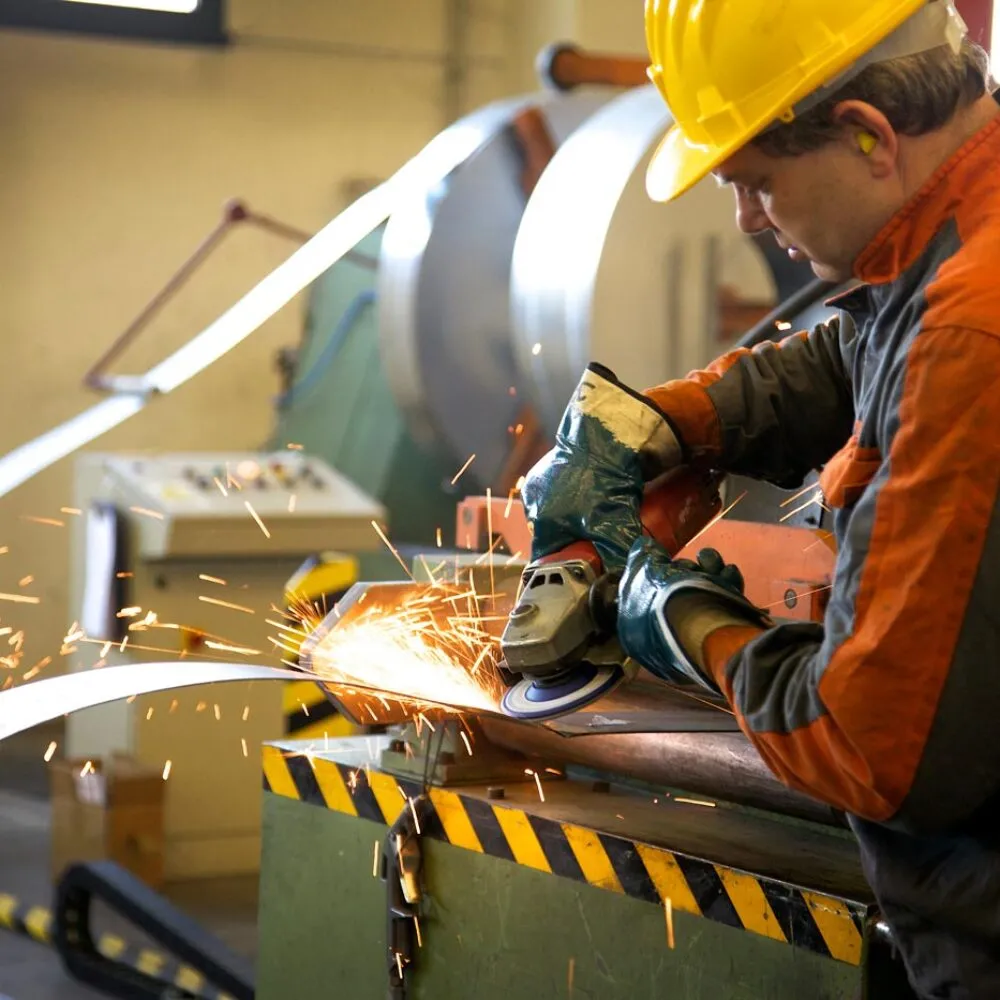
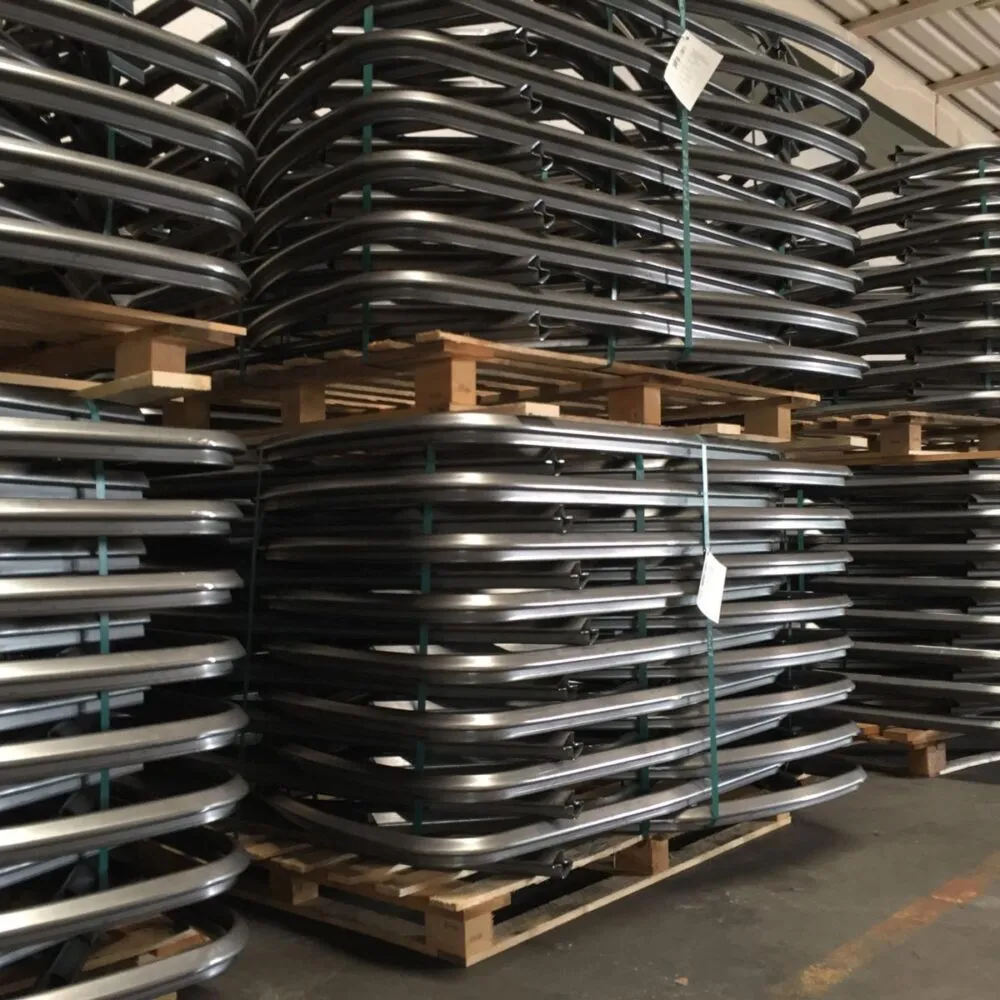
We work with diverse materials including aluminum, stainless steel, galvanized steel, and specialty alloys. We select optimal specifications based on traffic conditions, environmental exposure, and aesthetic preferences. Our integrated manufacturing approach combines cold roll forming with punching, cutting, and finishing operations. We deliver complete transition strip systems ready for installation.
Certified Quality, engineering collaboration and tailored solutions
With ISO 9001, ISO 14001, and ISO 45001 certifications, Sika guarantees excellence in quality management. We ensure environmental stewardship and operational safety throughout production. Our engineering team collaborates with architects, contractors, and facility managers. We work from initial design consultation through final delivery. We optimize metal floor transition strips to meet structural requirements, safety standards, and project budgets.
Whether your application demands standard profiles for rapid deployment, custom configurations for unique floor conditions, or specialized materials for demanding environments, Sika transforms specifications into precision-manufactured solutions. We deliver reliable, long-term performance for commercial flooring projects.
Contact us to discuss your floor transition strip requirements.
Discover how our cold roll forming expertise can provide tailored solutions for your commercial flooring applications.